Understanding Foot Fetish Massage: What It Is and How It Works
Foot Fetish Massage Consent & Safety Checklist
Assess Your Readiness
This checklist helps you evaluate if you're ready for a foot fetish massage experience with safety and respect as priorities. All items are based on best practices from the article.
0% complete
Checklist Items
Foot fetish massage isn’t just about toes and arches-it’s a deeply personal form of touch that connects physical sensation with emotional intimacy. For many, it’s not about sex in the traditional sense, but about trust, attention, and the quiet power of being fully seen through touch. If you’ve ever wondered why someone would find feet so compelling, or how a foot massage can feel so much more than just relaxation, you’re not alone.
What Exactly Is a Foot Fetish Massage?
A foot fetish massage is a type of sensual touch focused on the feet, often performed with deliberate care, rhythm, and awareness. It’s not simply a spa pedicure or a quick rubdown after a long day. This is about intention. The feet, with over 7,000 nerve endings, become a map of sensation-each arch, heel, and toe a zone of heightened sensitivity. When touched with patience and presence, they can trigger deep relaxation, emotional release, or even intense pleasure.
People who enjoy foot fetish massage aren’t necessarily looking for sexual climax. Many describe it as a form of grounding-a way to feel safe, cared for, or emotionally connected. Studies in sensory psychology show that touch on the soles of the feet activates the same brain regions as kissing or hugging. That’s not a coincidence. It’s biology.
Why Do People Find Feet So Compelling?
The answer isn’t one-size-fits-all. For some, it’s about the contrast: the softness of skin against the firmness of a hand, the vulnerability of exposed feet, the quiet intimacy of something usually hidden. For others, it’s the association-feet as symbols of grounding, movement, or even submission. In cultures around the world, feet carry meaning. In Japan, removing shoes before entering a home is a sign of respect. In ancient Egypt, washing a guest’s feet was an act of hospitality.
Psychologists like Dr. John Money, who studied human sexual behavior, noted that fetishism often forms during early experiences where a neutral object (like a shoe or foot) becomes linked with arousal through repeated association. That doesn’t make it strange-it makes it human. The brain learns what feels good, and sometimes, that’s tied to something unexpected.
How Is It Different From Regular Foot Massage?
Regular foot massage-like the kind you’d get at a spa or from a licensed therapist-is focused on relief: reducing swelling, easing plantar fasciitis, improving circulation. It’s clinical, structured, and goal-oriented.
Foot fetish massage is different. It’s not about fixing anything. It’s about feeling. The pressure might be lighter or heavier depending on the moment. The pace slows down. There’s eye contact. There’s silence. There’s a rhythm that feels more like a conversation than a procedure. The person receiving it often describes it as being held-not just physically, but emotionally.
Techniques overlap: thumb strokes along the arch, circular motions around the ball of the foot, gentle toe stretches. But the intent changes everything. In a fetish context, every movement carries meaning. A pause isn’t an error-it’s a breath. A sigh isn’t discomfort-it’s release.
What Does a Typical Session Look Like?
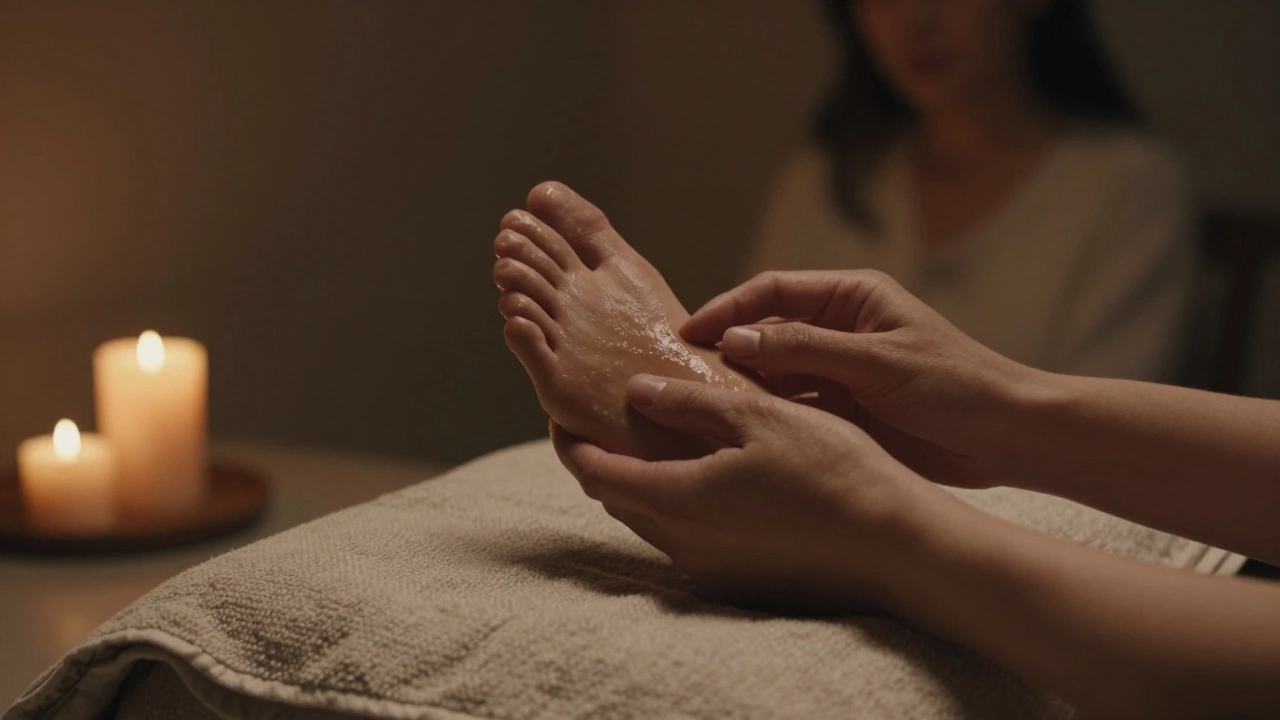
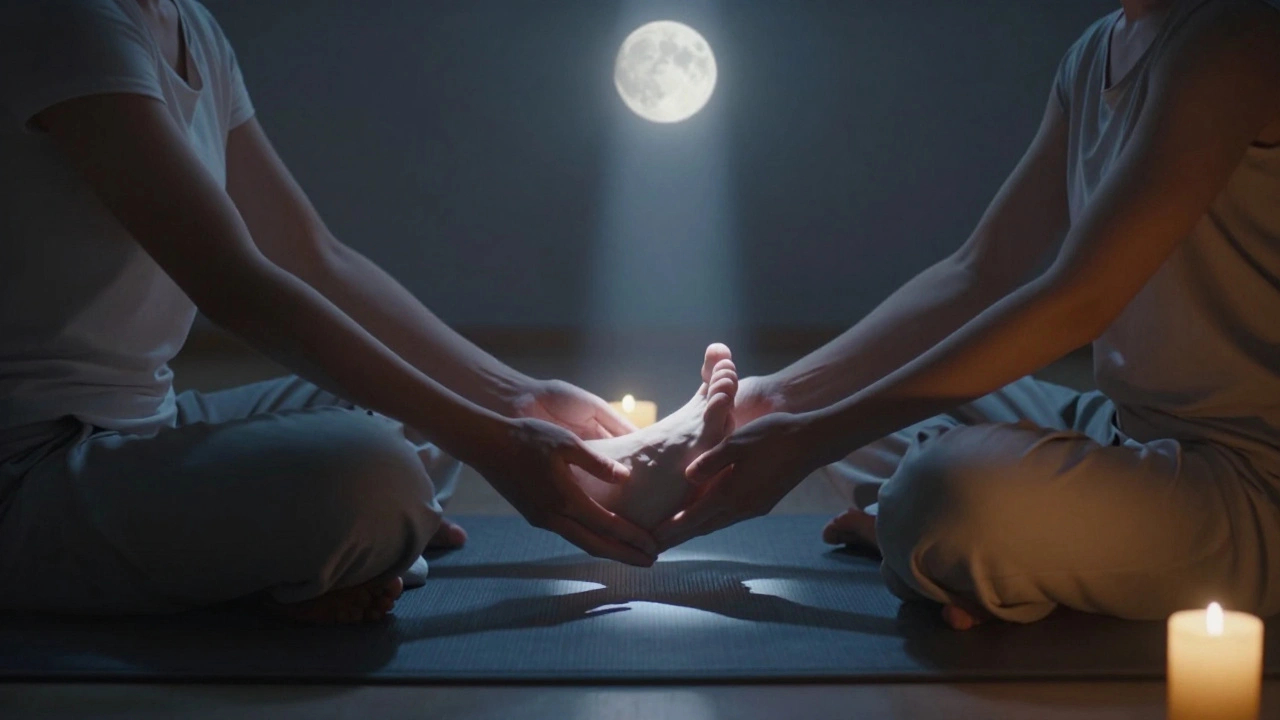
There’s no single script, but most sessions follow a similar flow. First, comfort: clean feet, warm towels, dim lighting, maybe soft music. No perfume, no loud noises. The space feels private, safe, and intentional.
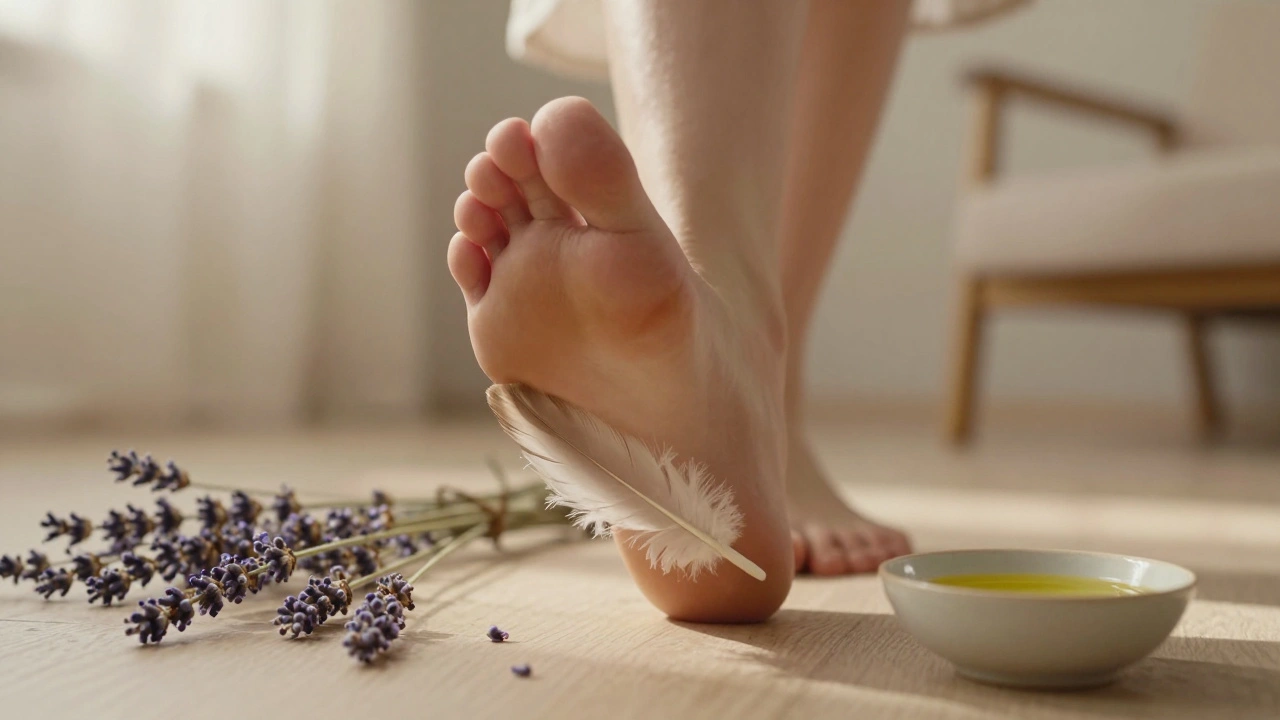
The giver starts with slow, deliberate strokes-feeling the texture of the skin, noticing where tension lives. They might use oil or lotion, not just for glide, but to deepen sensation. The touch moves from the heel to the toes, then back again. Sometimes, they’ll hold a foot in both hands, just letting warmth sink in. Other times, they’ll use light pressure with a feather or a soft brush, testing boundaries, building trust.
Communication is key. The receiver might say, “That feels amazing,” or “A little more pressure,” or nothing at all. Silence is part of the experience. The giver learns to read breathing, muscle tension, subtle shifts in posture. It’s not about performance-it’s about presence.
Sessions can last 20 minutes or two hours. There’s no rush. The goal isn’t to finish-it’s to be there.
Who Practices This and Why?
People from all walks of life enjoy foot fetish massage. It’s not limited by gender, age, or relationship status. Some do it with partners. Others with trusted friends or professional practitioners who specialize in sensual touch. There are even certified sensual touch therapists in cities like London, Berlin, and Portland who offer foot-focused sessions as part of holistic wellness.
For couples, it can be a way to reconnect without pressure. It removes the expectation of intercourse and replaces it with something slower, more tender. For singles, it can be a form of self-care-learning to receive pleasure without obligation.
One woman in Portsmouth told me, “After my divorce, I didn’t know how to let someone touch me without it turning into something I didn’t want. Foot massage was the first time I felt safe being touched again.”
Common Myths and Misconceptions
Myth 1: It’s always sexual.
Reality: Many people engage in foot massage without any sexual intent. It can be purely about comfort, connection, or sensory exploration.
Myth 2: It’s only for men.
Reality: Women make up nearly half of those who seek out or enjoy foot fetish massage. Sensory pleasure isn’t gendered.
Myth 3: It’s weird or unhealthy.
Reality: As long as it’s consensual, safe, and respectful, it’s no different from enjoying a hug, a back rub, or a warm bath. Human sexuality is diverse-and that’s normal.
Myth 4: You need special training to do it.
Reality: You don’t need a license. You need attention. You need to listen. You need to care. That’s it.
How to Try It Safely and Respectfully
If you’re curious about trying foot fetish massage-whether giving or receiving-start here:
- Set clear boundaries. Talk about what feels good, what doesn’t, and what’s off-limits. Use words like “yes,” “no,” and “pause.”
- Start slow. Don’t rush into deep pressure or sensitive areas. Let the body guide you.
- Focus on consent. Consent isn’t a one-time yes. It’s ongoing. Check in. Watch for body language.
- Keep it clean. Wash feet before and after. Use clean towels. Avoid oils if there are open cuts or infections.
- Respect privacy. This isn’t something to share on social media or joke about. It’s personal.
If you’re working with a professional, ask about their training, hygiene practices, and boundaries. Reputable practitioners will be transparent and never pressure you.
When to Seek Professional Help
Foot fetish massage is not therapy. But if you’re using it to avoid deeper emotional issues-like trauma, loneliness, or anxiety-it’s worth talking to a counselor. A licensed therapist who specializes in sexual health can help you explore why certain sensations feel so meaningful, and whether they’re serving you well.
On the flip side, if you’re feeling shame or guilt about enjoying this, know that you’re not broken. You’re human. Sensory pleasure is a natural part of being alive. The goal isn’t to fix yourself-it’s to understand yourself.
Final Thoughts: Touch Is a Language
At its core, foot fetish massage is about communication without words. It’s the quiet understanding that someone sees you-not just your body, but your need to be held, to be safe, to be touched in a way that feels like home.
Feet are often overlooked. They carry us through life, hidden in socks and shoes, never given the attention they deserve. When someone takes the time to touch them with care, it’s more than a massage. It’s a gift.
Is foot fetish massage the same as erotic massage?
Not necessarily. While both involve sensual touch, foot fetish massage focuses specifically on the feet and doesn’t always lead to sexual activity. Erotic massage typically involves broader body contact and may include genital stimulation. Foot fetish massage is often about connection, sensation, and presence-not orgasm.
Can foot massage be therapeutic?
Yes. Even without a fetish context, foot massage improves circulation, reduces stress, and can ease conditions like plantar fasciitis. Many physical therapists include foot work in rehabilitation. The difference with foot fetish massage is the emotional and sensory focus-not the physical outcome.
Is it normal to have a foot fetish?
Absolutely. Foot fetishes are one of the most common sexual preferences worldwide. Research from the Journal of Sexual Medicine shows that over 20% of people report some level of attraction to feet. It’s not a disorder-it’s a variation of human sexuality, as long as it’s consensual and doesn’t cause distress.
How do I bring this up with my partner?
Start with curiosity, not pressure. Say something like, “I’ve been reading about how touch on the feet can feel really calming-would you be open to trying a gentle foot massage together sometime?” Keep it low-stakes. Let them respond without judgment. If they’re not interested, respect that. If they are, go slow.
Are there risks to foot fetish massage?
The main risks come from poor hygiene or lack of consent. Always wash feet before and after. Avoid massage if there are open sores, infections, or recent injuries. Never pressure someone into it. Emotional safety matters just as much as physical safety. If you feel anxious or uncomfortable, stop.



About Author