The Power of Palliative Massage: A Comprehensive Guide
Imagine a moment where pain doesn't vanish, but it stops being the loudest voice in the room. For families navigating serious illness or aging, that shift is everything. Palliative massage is a specialized form of therapeutic touch designed to provide comfort and symptom relief for individuals with serious, life-limiting illnesses. It isn't about curing cancer or reversing dementia. It’s about dignity. It’s about connection. It’s about making the hard days a little softer.
We often talk about massage as something you do to get fit, reduce stress after work, or fix a stiff neck. But when someone is facing a terminal diagnosis, those goals change completely. The body becomes a source of suffering rather than strength. In these moments, traditional deep tissue work can feel like an assault. Palliative massage flips the script. It prioritizes safety, gentleness, and emotional presence over muscle manipulation. If you are caring for a loved one who is frail, bedbound, or overwhelmed by medication side effects, this guide will help you understand how touch can still be a powerful medicine.
Understanding the Core Philosophy of Comfort Care
To grasp why palliative massage works, you have to look at what it isn't. It is not recreational spa treatment. It is not rehabilitation aimed at restoring function for sports or labor. The philosophy here is rooted in Palliative care is specialized medical care focused on providing relief from the symptoms and stress of a serious illness. This approach treats the whole person-body, mind, and spirit-rather than just the disease.
The central entity here is comfort. When a patient has advanced heart failure, chronic kidney disease, or metastatic cancer, their body is under immense strain. Their skin might be thin and bruising easily. Their bones might be fragile. A standard Swedish massage, which uses long, gliding strokes and moderate pressure, could cause harm. Palliative massage adapts. It uses lighter pressure, shorter strokes, and focuses on areas that are accessible and safe. The goal is to lower cortisol levels, ease anxiety, and remind the patient that they are still seen and valued as a human being, not just a collection of symptoms.
This distinction matters because intent changes technique. A therapist working in this space must listen more than they touch. They need to ask, "Where does it hurt today?" instead of assuming the shoulders need work. This patient-centered approach ensures that every session respects the individual's current physical limits and emotional state.
Key Benefits Beyond Physical Relaxation
You might wonder if gentle rubbing really makes a difference when someone is in significant pain. The answer lies in how our nervous system processes input. Serious illness keeps the body in a constant state of fight-or-flight. Heart rates stay elevated. Breathing becomes shallow. Sleep fragments. Palliative massage interrupts this cycle.
- Pain Management: While it may not eliminate severe pain, it can significantly reduce the perception of discomfort. By stimulating nerve endings, it distracts the brain from pain signals (the Gate Control Theory of pain). Many patients report needing fewer doses of breakthrough pain medication after sessions.
- Anxiety Reduction: Uncertainty is terrifying. Having a predictable, calming routine provides a sense of control. The rhythmic nature of touch lowers heart rate and blood pressure, creating a physiological calm that words alone cannot achieve.
- Improved Circulation: For bedbound patients, immobility leads to swelling (edema) and poor blood flow. Gentle effleurage (light stroking) helps move lymph and blood, reducing puffiness in the legs and hands without straining the heart.
- Emotional Connection: Touch starvation is real. Patients often feel isolated by their condition. Non-sexual, professional touch releases oxytocin, the bonding hormone. It combats depression and loneliness, offering a profound sense of companionship.
I’ve seen it firsthand in hospice settings. A patient who hasn’t spoken in hours might sigh deeply during a hand massage. That sigh is data. It tells us the tension is leaving. It’s a small victory, but in palliative care, small victories are the currency of quality of life.
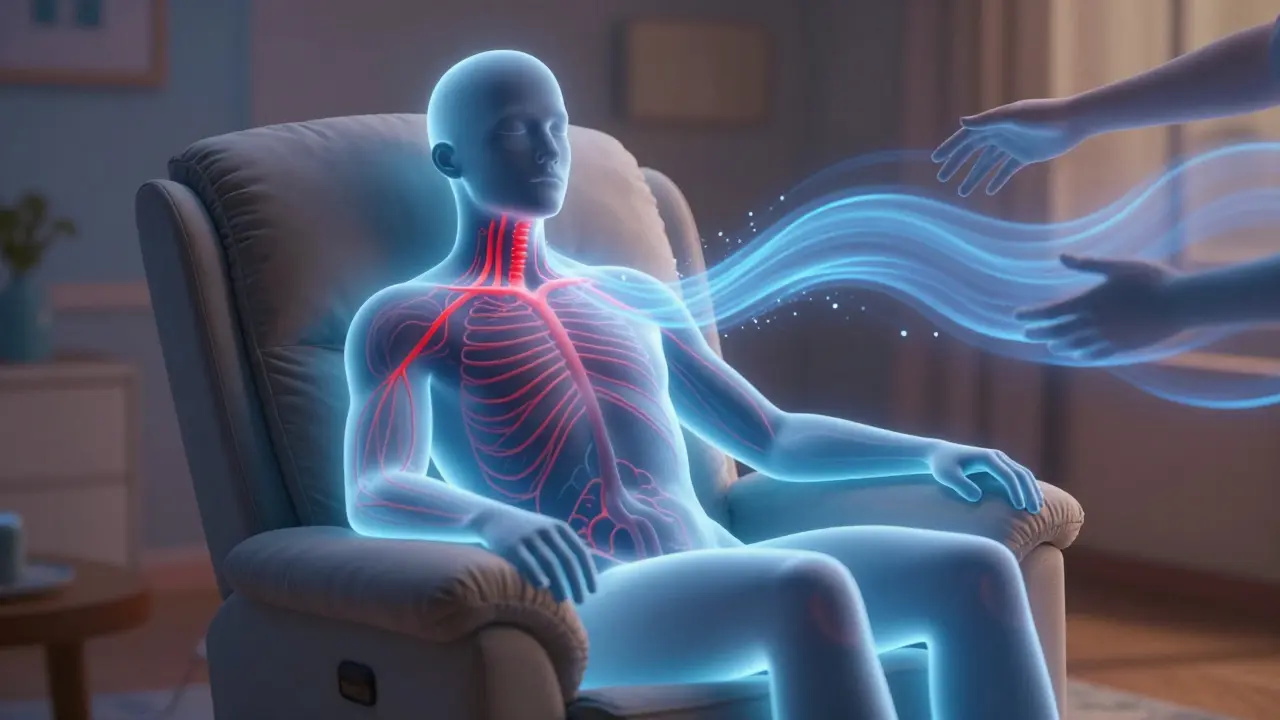
Safety First: Contraindications and Precautions
This is the most critical section. You cannot simply apply standard massage protocols to a critically ill person. Safety is non-negotiable. Before any touch occurs, a thorough assessment is required. This usually involves consulting with the patient’s primary physician or palliative care team.
Here are specific conditions that require extreme caution or complete avoidance of certain techniques:
| Condition | Risk Factor | Recommended Adjustment |
|---|---|---|
| Blood Clots (DVT) | Dislodging clot leading to pulmonary embolism | Avoid massage on affected limb entirely. Focus on unaffected areas. |
| Fragile Bones (Osteoporosis/Metastasis) | Fracture risk | No deep pressure. Use only light effleurage. Avoid direct contact with tumor sites. |
| Open Wounds/Ulcers | Infection risk and pain | Work around the area. Do not cross over broken skin. Use clean linens. |
| Severe Edema | Fluid overload or cardiac strain | Very gentle lymphatic drainage techniques only. Monitor breathing closely. |
| Recent Surgery | Tissue damage or suture rupture | Avoid surgical site for 4-6 weeks or until cleared by surgeon. |
Always check for fever. If the patient has an active infection, massage can spread pathogens through the bloodstream. Also, be mindful of IV lines, catheters, and oxygen tubes. These are lifelines. Never place pressure on them or disrupt their placement. Communication is key. Ask the patient to use a signal (like tapping twice) if anything hurts. Pain tolerance fluctuates daily in palliative patients. What felt good yesterday might feel abrasive today.
Techniques Tailored for Fragility
If you are a caregiver learning to provide this support, or a therapist expanding your practice, you need to master specific adaptations. The toolkit for palliative massage is different from a typical clinic.
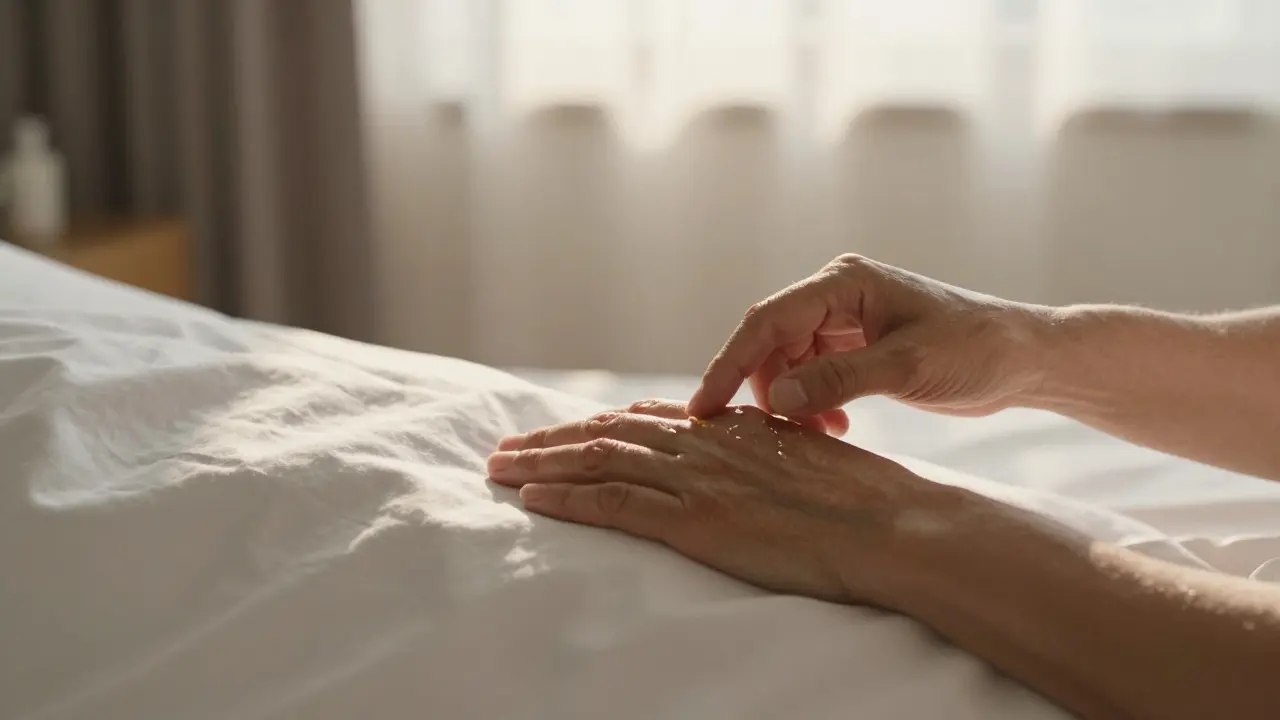
- Hand and Foot Massage: These are often the safest and most appreciated areas. Hands are symbolic of connection. Feet carry much of the body’s tension. Using warm lotion, use slow, circular motions on the palms and soles. This stimulates reflex points without stressing joints.
- Effleurage (Stroking): Think of this as "brushing away" tension. Use the flat of your hand to glide lightly over the arms, back, or legs. The pressure should be no heavier than placing a book on a table. It promotes circulation and relaxation without digging into muscle tissue.
- Static Pressure: Sometimes, movement is too much. Placing a warm hand firmly but gently on the chest or abdomen can be grounding. This technique, known as holding, provides a sense of stability and security. It’s particularly helpful for patients experiencing anxiety or panic attacks.
- Aromatherapy Integration: Scent bypasses the thalamus and goes straight to the limbic system (emotion center). Lavender, chamomile, or ylang-ylang can enhance relaxation. However, always check for allergies and ensure the scent isn't overwhelming, as smell sensitivity can increase with age or illness.
- Positioning Matters: Don't force a patient onto a massage table if they can't tolerate it. Perform massage while they are sitting in a recliner, lying in bed, or even propped up with pillows. Adapt to their environment. Bringing the therapy to them reduces fatigue and logistical stress.
Notice the emphasis on "less is more." A 15-minute session focused on the hands and face can be more beneficial than a 60-hour full-body rub. Quality of attention outweighs duration.
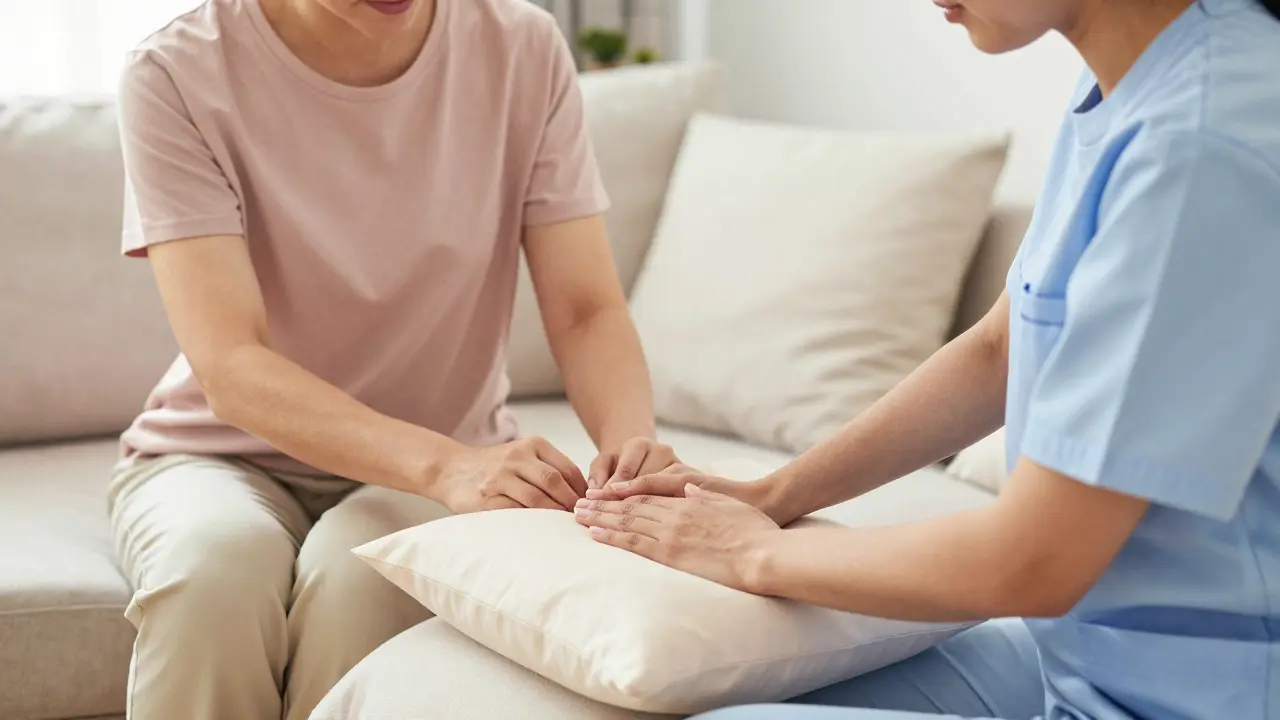
Integrating Massage into a Holistic Care Plan
Palliative massage shouldn't exist in a vacuum. It works best when woven into a broader support network. Coordinate with other therapies. If a patient is receiving acupuncture, ensure the massage doesn't interfere with needle sites. If they are undergoing chemotherapy, their immune system is compromised; hygiene standards must be hospital-grade.
Family members play a huge role. Educate them on how to provide simple comfort touches. Teach them how to hold a hand, stroke an arm, or adjust pillows. This empowers families to participate in care, reducing their own feelings of helplessness. When a spouse learns to give a gentle foot rub, it transforms a clinical task into an act of love.
Documentation is also part of the process. Keep notes on what worked. Did the lavender oil cause coughing? Did the patient sleep better after the session? Tracking these outcomes helps refine future sessions and provides valuable feedback for the medical team.
Emotional Impact on Caregivers and Therapists
Let’s address the elephant in the room: it’s emotionally heavy work. Watching someone suffer is draining. Providing touch to someone who is dying requires resilience. Burnout is real. Therapists and family caregivers alike need boundaries.
Set clear intentions before each session. Remind yourself that you are not fixing death; you are easing the journey. Debrief with colleagues or counselors. Share stories. Validate your grief. Compassion fatigue sets in when we absorb others' pain without processing our own. Regular self-care isn't selfish; it’s necessary to sustain the ability to care for others.
Remember, you don't need to be perfect. You just need to be present. A shaky hand or a tearful eye during a session is human. Patients often appreciate the authenticity. It shows you care enough to feel.
Can palliative massage cure serious diseases?
No. Palliative massage is not a cure. It is a supportive therapy aimed at improving quality of life by managing symptoms like pain, anxiety, and insomnia. It complements medical treatment but does not replace it.
Is it safe for patients with blood clots?
Generally, no. Massaging an area with a deep vein thrombosis (DVT) can dislodge the clot, causing a life-threatening pulmonary embolism. Always consult a doctor first. If approved, avoid the affected limb entirely.
How long should a palliative massage session last?
Sessions are typically shorter, ranging from 15 to 30 minutes. Fatigue is common in seriously ill patients. Shorter, frequent sessions are often better tolerated than long ones. Always follow the patient's cues.
Can family members perform palliative massage?
Yes, with proper guidance. Family members can learn simple techniques like hand holding, light stroking, and foot massage. Training ensures they understand contraindications and safety precautions to avoid causing harm.
What oils are best for sensitive skin?
Use hypoallergenic, fragrance-free carrier oils like sweet almond, jojoba, or fractionated coconut oil. Avoid essential oils if the patient has respiratory issues or skin sensitivities. Always patch-test first.



About Author

Popular Posts
Shiatsu Massage: Balancing Energy Naturally