Rejuvenate Your Body with Neuromuscular Massage: A Practical Guide
You know that feeling when your shoulders feel like they’re carrying the weight of the world? Or when a dull ache in your lower back refuses to quit, no matter how many times you stretch? If standard Swedish massage leaves you feeling relaxed for an hour and then right back to square one, you might be missing out on something more targeted. Enter neuromuscular massage. Unlike generic relaxation techniques, this approach digs into the specific knots and tight bands in your muscles that are actually causing your pain.
It’s not just about feeling good; it’s about fixing the mechanical issues that keep you stiff. Think of it as troubleshooting for your body. Instead of rubbing everything down evenly, a skilled therapist identifies the exact spots where your nerves and muscles are misfiring or stuck. This guide breaks down what neuromuscular therapy is, why it works differently than other massages, and how you can use it to get your mobility back.
What Exactly Is Neuromuscular Massage?
At its core, neuromuscular massage is a specialized form of manual therapy that treats soft tissue pain by applying static pressure to specific muscular trigger points. It bridges the gap between physical therapy and traditional bodywork. The goal isn't just relaxation; it's to release tension in the muscles that is compressing nerves and restricting blood flow.
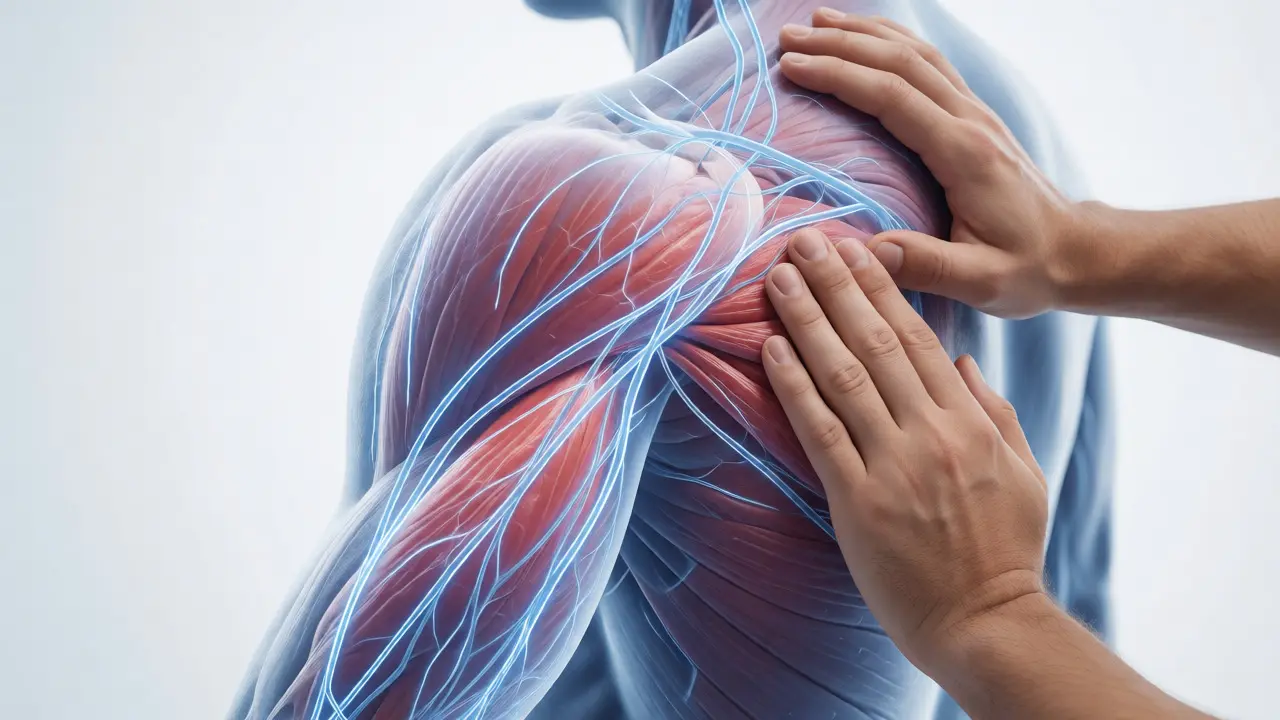
Here’s the simple logic behind it: When a muscle stays contracted for too long-maybe from sitting at a desk, poor posture, or overtraining-it forms a "knot," technically known as a trigger point. These knots aren't just lumps; they are areas where the muscle fibers have shortened and won't let go. This shortening traps waste products like lactic acid and cuts off fresh oxygenated blood. By pressing directly on these points, you force the muscle to relax, allowing fresh blood to flush out the toxins and restore normal function.
This technique differs significantly from deep tissue massage. While deep tissue uses broad strokes to work through layers of muscle, neuromuscular therapy is precise. It targets the intersection of the nervous system and the muscular system. It acknowledges that pain often originates in the nerve pathways, not just the muscle belly itself. If you’ve ever had a sharp, shooting pain that radiates down your arm or leg, that’s likely a nerve issue being addressed by this type of therapy.
Why Standard Massages Might Not Be Enough
Let’s be honest: most people book a massage because they’re stressed. They want candles, soft music, and someone to rub their back while they zone out. That’s fine for stress relief. But if you have chronic pain, that experience can feel superficial. You walk out feeling loose, but two days later, that stubborn knot in your trapezius is back.
The problem is that chronic pain usually stems from structural imbalances or habitual patterns that light touch doesn’t correct. For example, if your left hip is slightly higher than your right due to a past injury, your lower back muscles will constantly tighten to compensate. No amount of gentle kneading will fix that alignment issue. You need to break the cycle of contraction.
Neuromuscular massage addresses the root cause rather than the symptom. It looks at the kinetic chain-how your feet affect your knees, which affect your hips, which affect your back. By releasing the specific muscles that are pulling your skeleton out of alignment, you allow your body to return to a neutral position. This is why many athletes and people with repetitive strain injuries prefer this method. It’s corrective, not just soothing.
Key Techniques Used in Treatment
If you’re new to this, you might wonder what actually happens during a session. It’s not always comfortable, but it’s rarely unbearable. The therapist uses several specific methods to target those problematic areas.
- Ischemic Compression: This involves applying steady, direct pressure to a trigger point for 10 to 30 seconds. You’ll feel a dull ache, sometimes referred to as a "good hurt." The pressure restricts blood flow temporarily. When the therapist releases the pressure, fresh blood rushes in, flushing out metabolic waste and signaling the muscle to relax.
- Friction: Using thumbs, fingers, or elbows, the therapist moves across the grain of the muscle fiber. This helps break up adhesions-scar tissue or sticky fibers that limit movement. It feels intense but is crucial for restoring flexibility.
- Nerve Gliding: Sometimes the pain isn’t in the muscle at all but in the nerve passing through it. Therapists may gently move your limbs through ranges of motion to help the nerve slide smoothly through surrounding tissues, reducing irritation.
- Stretching: After releasing the tension, passive stretching is applied to lengthen the muscle. This ensures the muscle stays elongated after treatment, preventing it from snapping back into its shortened state.
The combination of these techniques creates a comprehensive reset for your soft tissue. It’s active work, meaning you and the therapist are both engaged in solving the puzzle of your pain.
Who Needs Neuromuscular Massage?
You don’t need to be a marathon runner to benefit from this. In fact, some of the best candidates are office workers. If you spend eight hours a day hunched over a keyboard, your upper trapezius and levator scapulae muscles are likely screaming for attention. These muscles hold your head up, and when they fatigue, they tighten up, leading to tension headaches and neck stiffness.
Other common candidates include:
- People with Chronic Back Pain: Especially those with disc issues or sciatica, where nerve compression is a major factor.
- Tech Users: Anyone dealing with carpal tunnel syndrome, tennis elbow, or thumb pain from smartphone use.
- Post-Surgical Patients: Once cleared by a doctor, NMT can help break up scar tissue and restore range of motion after orthopedic surgeries.
- Migraine Sufferers: Many migraines originate from trigger points in the neck and jaw. Releasing these can reduce the frequency and intensity of attacks.
If you wake up stiff every morning, or if pain flares up after mild activity, your body is telling you that its soft tissue needs professional intervention. Ignoring it often leads to compensatory movements, where other muscles take over, creating new pain points further down the line.
Preparing for Your First Session
Walking into a neuromuscular massage appointment is different from booking a spa day. Communication is key here. You need to tell your therapist exactly where it hurts, even if it seems unrelated to the area they’re working on. Pain referral patterns are tricky; a headache might come from your shoulder, and knee pain might start in your hip.
Before you go, stay hydrated. Muscles that are dehydrated are less pliable and more prone to cramping during treatment. Drinking water before and after helps your body process the metabolic waste released during the session. Avoid heavy meals right before your appointment, as lying face down on a full stomach isn’t fun.
Dress comfortably. Most therapists provide draping, but wearing loose clothing makes it easier to access areas like the shoulders and arms. Don’t worry about being naked; modesty is respected, and you only expose the area being worked on.
| Feature | Swedish Massage | Deep Tissue Massage | Neuromuscular Massage |
|---|---|---|---|
| Primary Goal | Relaxation and circulation | Release surface muscle tension | Treat chronic pain and nerve compression |
| Pressure Level | Light to Medium | Firm | Targeted Static Pressure |
| Focus Area | Full body | Broad muscle groups | Specific trigger points and nerves |
| Pain During Session | Minimal | Moderate discomfort | Achey "good hurt" sensation |
| Best For | Stress relief | Muscle soreness | Chronic pain, injuries, posture issues |

Aftercare: What to Expect Post-Treatment
Don’t expect to feel perfectly fine immediately. It’s common to feel sore for 24 to 48 hours after a neuromuscular massage. Think of it like a workout for your muscles. The soreness is a sign that the tissues were manipulated and are now healing. This is called post-treatment tenderness.
To aid recovery, drink plenty of water. This helps flush out the toxins released from the muscles. Gentle movement is better than staying completely still. Take a short walk or do some light stretching to keep the blood flowing. Avoid strenuous exercise for at least 24 hours to give your body time to integrate the changes.
If you feel dizzy or nauseous, it’s likely due to the release of endorphins and metabolic waste. Rest and hydrate. If the pain persists beyond three days, contact your therapist. They might need to adjust the pressure or technique in your next session.
Building Long-Term Resilience
One session won’t fix years of bad posture. Consistency matters. Most people see significant improvements after three to five sessions spaced out weekly or bi-weekly. After that, maintenance sessions once a month can keep things running smoothly.
Pair your treatments with self-care. Use a foam roller or a lacrosse ball to target accessible trigger points at home. Focus on your glutes, quads, and upper back. Learning proper ergonomics at your desk also prevents the problems from returning. Neuromuscular massage gives you a clean slate, but you have to maintain it.
Ultimately, rejuvenating your body isn’t just about temporary relief. It’s about understanding your own mechanics and addressing the small issues before they become big ones. Neuromuscular massage provides the tools to do exactly that, helping you move freely and live without the constant background noise of pain.
Does neuromuscular massage hurt?
It can be uncomfortable, but it shouldn't be agonizing. You will feel a deep ache or pressure when the therapist hits a trigger point. This is often described as a "good hurt." If the pain is sharp or causes you to tense up involuntarily, tell your therapist immediately so they can adjust the pressure.
How often should I get neuromuscular massage?
For acute pain, weekly sessions are often recommended initially. For chronic conditions or maintenance, every two to four weeks is typical. Listen to your body; if you feel stiffness returning before your next scheduled appointment, consider moving it up.
Can I get a massage if I have fibromyalgia?
Yes, but caution is required. Fibromyalgia patients often have heightened sensitivity to pressure. Inform your therapist beforehand. They should use lighter pressure and focus on broader areas rather than digging deeply into specific points, gradually increasing intensity as tolerated.
What is the difference between trigger points and knots?
They are essentially the same thing. "Knot" is the layperson's term for a myofascial trigger point. It is a hyperirritable spot in a taut band of skeletal muscle that is painful on compression and can refer pain to other parts of the body.
Will insurance cover neuromuscular massage?
It depends on your provider and whether the massage is deemed medically necessary. Some health plans cover therapeutic massage if prescribed by a doctor for a specific condition like chronic back pain. Always check with your insurer and ask the therapist for a superbill to submit for reimbursement.



About Author

Popular Posts