How to Use Essential Oils and Candles for a Better Massage Experience
The Secret to Picking the Right Scents
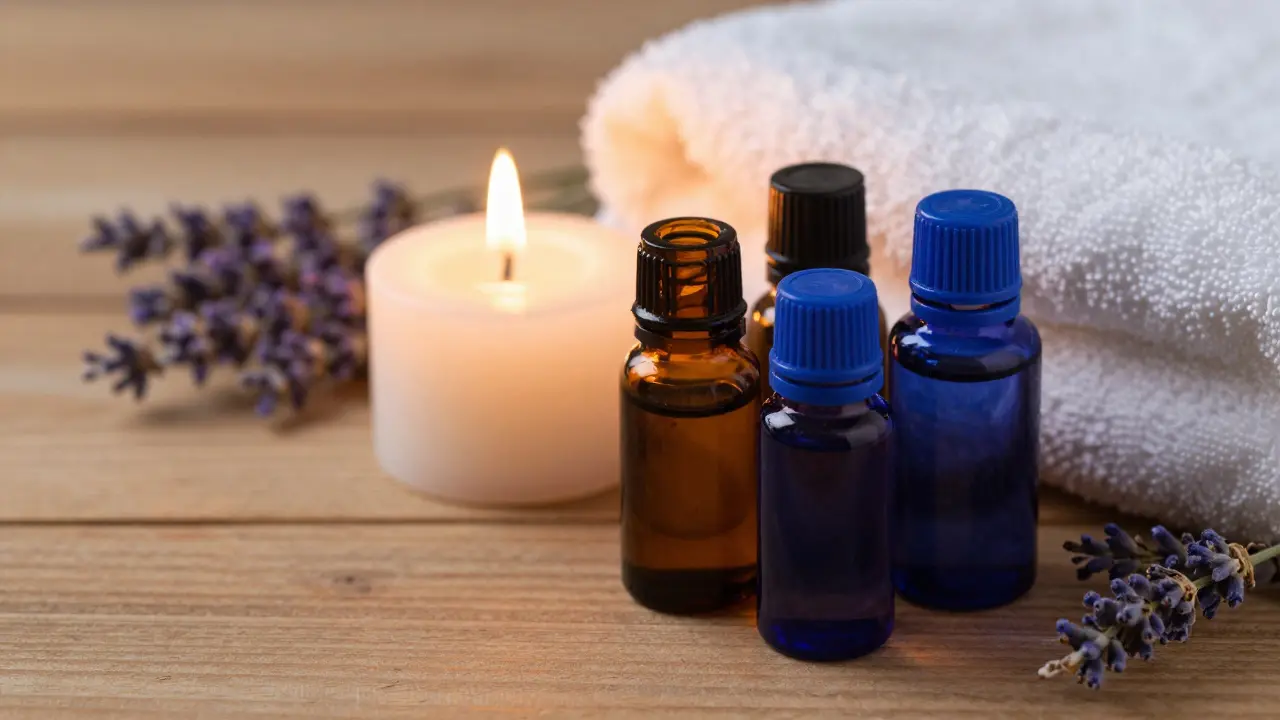
Not every oil does the same thing. If you use a stimulating scent like peppermint when you're trying to sleep, you're fighting a losing battle. To get the most out of your session, you need to match the oil to the intended outcome. For deep stress relief, look for Linalool-rich oils. This is the primary compound in Lavender, which has been shown in clinical settings to lower heart rate and blood pressure. If you're dealing with sore muscles after a workout, skip the floral notes and go for Eucalyptus or Wintergreen. These oils contain methyl salicylate, which acts as a mild topical analgesic. The goal is to choose a scent that aligns with how you want to feel *after* the massage. Are you looking to feel energized or completely zonked out?Why Massage Candles Change the Game
Traditional massage oils are great, but they can feel cold or greasy if not warmed up. This is where massage candles come in. Unlike a standard scented candle that just smells good, these are designed to be poured directly onto the skin. The warmth does two things: it opens up the pores to let the oils penetrate deeper, and it mimics the feeling of hot stones. When the wax melts, it turns into a warm, luxurious oil that glides easily. This reduces the friction on the skin, which means the person giving the massage doesn't have to press as hard to move the muscles. It also keeps the room temperature feeling cozy, preventing the "massage chill" that happens when you're lying still for thirty minutes.| Medium | Best For | Key Attribute | Main Downside |
|---|---|---|---|
| Pure Essential Oils | Aromatherapy | High potency | Must be diluted |
| Carrier Oils | Glide and Moisture | Skin protection | No scent alone |
| Massage Candles | Luxury & Warmth | Instant heat | Requires fire/heat |
The Art of Dilution: Avoiding Skin Irritation
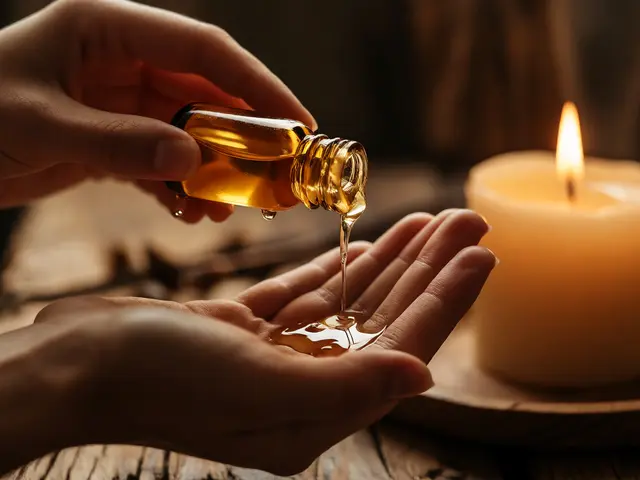
Here is where most people mess up: they pour a few drops of pure essential oil straight onto the skin. Don't do that. Essential oils are incredibly concentrated. Applying them "neat" (undiluted) can cause chemical burns or long-term sensitivities. You need a Carrier Oil to safely transport the essential oil into the skin. For a lightweight feel that doesn't clog pores, use Sweet Almond Oil or Fractionated Coconut Oil. If you have very dry skin, Jojoba Oil is a fantastic choice because it mimics the skin's natural sebum. A safe rule of thumb is a 2% dilution: about 10-12 drops of essential oil per fluid ounce of carrier oil. If you're massaging a child or an elderly person, drop that down to 1%.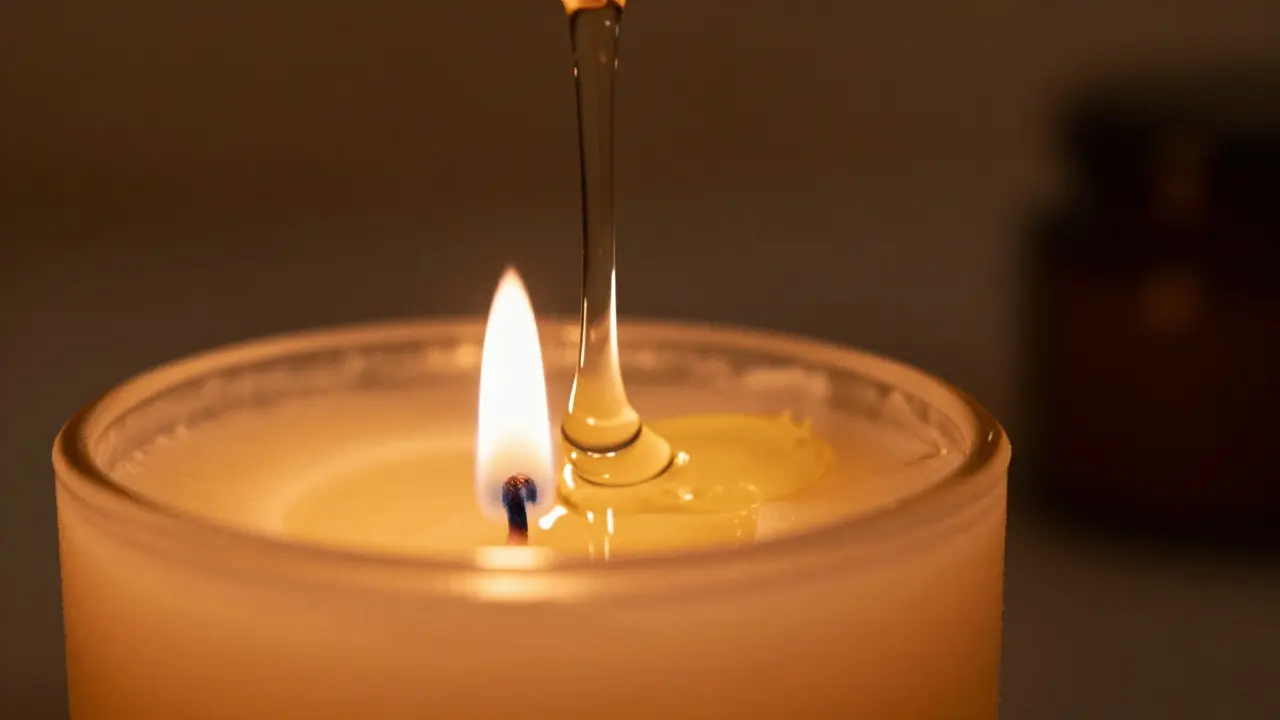
Setting the Scene for Maximum Impact
Lighting is everything. Harsh overhead LED lights keep your brain in "work mode." To switch to "rest mode," you need warm, low-frequency light. This is why candles aren't just for the oil; they are for the atmosphere. Place candles around the room, but keep them away from flammable fabrics like towels or curtains. Combine the visual warmth with a tactile strategy. Warm your towels in the dryer or on a radiator. When you combine warm oil, warm towels, and dim lighting, you create a "sensory cocoon." This environment signals to the parasympathetic nervous system to take over, which is where the actual physical healing and muscle release happen. Use a diffuser for a consistent scent base, and then use the oils or candles for targeted application on the body.Common Mistakes to Avoid
One big pitfall is mixing too many scents. If you use a lemon candle, a lavender oil, and a peppermint diffuser all at once, you're not creating a spa-you're creating a confusing olfactory mess. Stick to one primary scent family. For example, if you want a "forest" vibe, pair cedarwood with pine and a hint of orange. Another mistake is ignoring the "burn" of the candle. Always test the temperature of the melted wax on your own wrist before pouring it on someone else. Even though massage candles have a lower melting point than paraffin candles, they can still be too hot for sensitive areas like the neck or inner arm. Slow, steady pours are better than one large splash.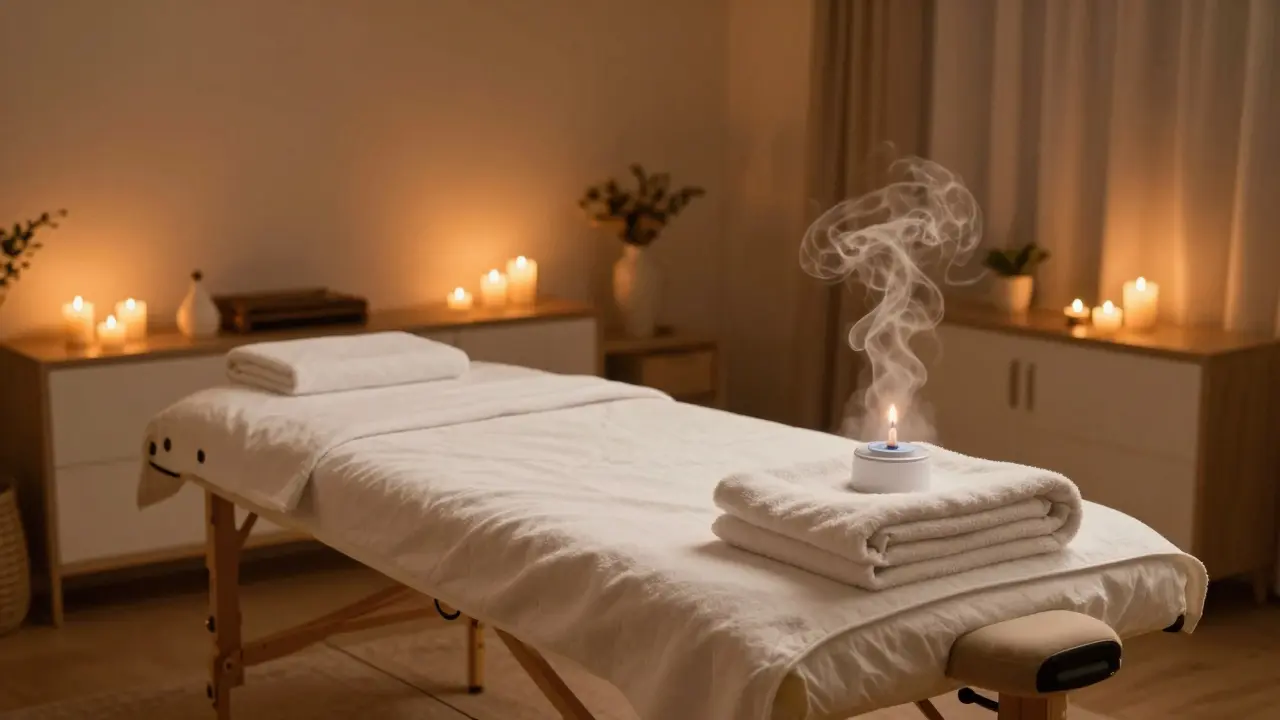
Step-by-Step: Your Home Massage Routine
If you want to do this right, follow this sequence to ensure you don't miss a beat:- Prepare the Space: Dim the lights, light your candles, and put on some ambient music without lyrics to avoid distracting the mind.
- Warm the Medium: Light your massage candle about 15 minutes before you start so there is a sufficient pool of melted oil.
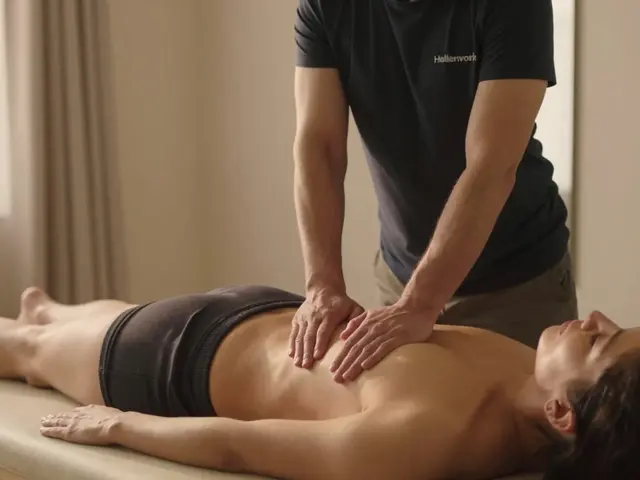
- The First Touch: Start with light, broad strokes (effleurage) using a small amount of oil to warm up the muscles and get the recipient used to the touch.
- Targeted Work: Use a mixture of essential oils for massage blended with a carrier oil to work into knots or tight areas using circular motions.
- The Thermal Finish: Use the warmed wax from the candle for a final, soothing pass over the shoulders or back to lock in the moisture and heat.
- The Cool Down: Let the person rest for five minutes after the massage. Offer a glass of water, as aromatherapy and massage both encourage the body to release toxins that need to be flushed out.
How to Store Your Supplies
Essential oils are volatile, meaning they evaporate quickly if exposed to air and light. Never store your oils in clear glass bottles on a sunny windowsill. Keep them in amber or cobalt blue glass bottles in a cool, dark cupboard. If your oil starts to smell "off" or becomes thick and sticky, it has likely oxidized and should be tossed. For your candles, keep the lids on when not in use to prevent dust from settling in the wax pool. If you notice a "mushroom" forming on the wick (a carbon buildup), trim it to a quarter inch before the next use. This prevents the flame from flickering too much and keeps the scent from smelling like burnt charcoal.Can I use any scented candle for massage?
Absolutely not. Standard candles are made with paraffin wax and synthetic fragrances that can irritate or burn the skin. You must use candles specifically labeled as "massage candles," which use skin-safe ingredients like soy wax, cocoa butter, and pure essential oils.
What is the best carrier oil for sensitive skin?
Fractionated coconut oil or jojoba oil are generally the safest bets. Jojoba is technically a liquid wax that closely resembles human skin oils, making it very unlikely to cause a reaction or breakout.
How long should a massage session last to be effective?
For a home experience, 30 to 60 minutes is ideal. This allows enough time for the aromatherapy to kick in and for the muscles to move from a state of tension to a state of release without causing fatigue for the person giving the massage.
Can essential oils be used on everyone?
No. Certain oils can be dangerous for pregnant women, infants, or people with specific medical conditions like epilepsy. Always check a safety chart or consult a professional before using potent oils like rosemary or peppermint on sensitive populations.
Do I need to wash off the oil after the massage?
It depends on the oil. Carrier oils like almond or jojoba are absorbed by the skin and act as a moisturizer. However, if you used a heavy amount of wax from a massage candle, a warm shower can help remove the excess residue while keeping the skin soft.
About Author

Popular Posts
Shiatsu Massage: Balancing Energy Naturally