
Exploring the Uncharted: A Tour of Hakali
Hakali isn’t on most maps. You won’t find it in mainstream travel guides or on Instagram influencer itineraries. But if you’ve ever wandered off the beaten path just to see what’s there, you’ve probably already heard whispers about it-quiet stories passed between backpackers, local guides, and curious expats who stumbled upon it by accident.
Where Exactly Is Hakali?
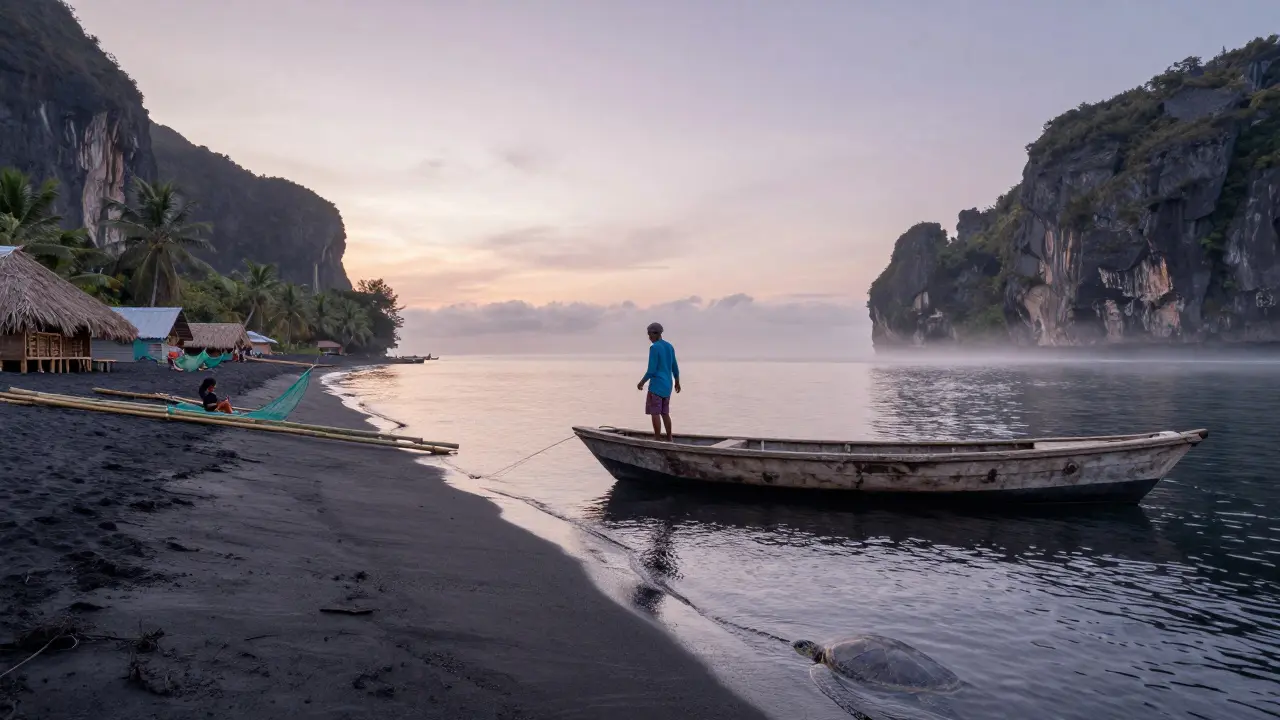
Hakali is a remote coastal village on the southern edge of the Karaman Peninsula, tucked between jagged cliffs and a stretch of ocean that doesn’t appear on most satellite images. It’s part of a lesser-known region in eastern Indonesia, about 120 kilometers from the nearest town with an airport. The only way in is by boat from the fishing port of Lembah Bawah, or by a winding, unpaved road that takes three hours on a motorbike if you’re brave enough to try it.
There’s no hotel. No ATM. No Wi-Fi that works consistently. But there are 37 families who’ve lived here for generations, fishing by hand, growing cassava on terraced hills, and singing songs in a dialect that hasn’t been written down. The village doesn’t have a name on official maps-it’s labeled as ‘Kampung Tidak Terdaftar’ (Unregistered Village) in government records. Locals just call it Hakali.
What Makes Hakali Different?
Most places you visit feel like they’ve been prepared for you. Streets are cleaned before you arrive. Souvenirs are stacked neatly. Guides rehearse their lines. Hakali doesn’t do that. There’s no entry fee. No guided tour. No photo ops arranged for tourists.
What you get instead is raw, unfiltered life. Women weave fishing nets on bamboo stools outside their homes, their fingers moving fast enough to make you wonder how they don’t cut themselves. Children chase crabs along the shore at sunset, laughing in a language you don’t understand but feel anyway. Elderly men sit under thatched roofs, mending nets and telling stories to anyone who’ll listen.
The beach here isn’t white sand. It’s black volcanic grit that stays cool even in midday heat. The water is clear enough to see sea turtles gliding past your ankles. At night, the sky turns into a river of stars-no light pollution, no streetlamps, just the hum of the ocean and the occasional call of a night bird.
The Culture You Won’t Find Online
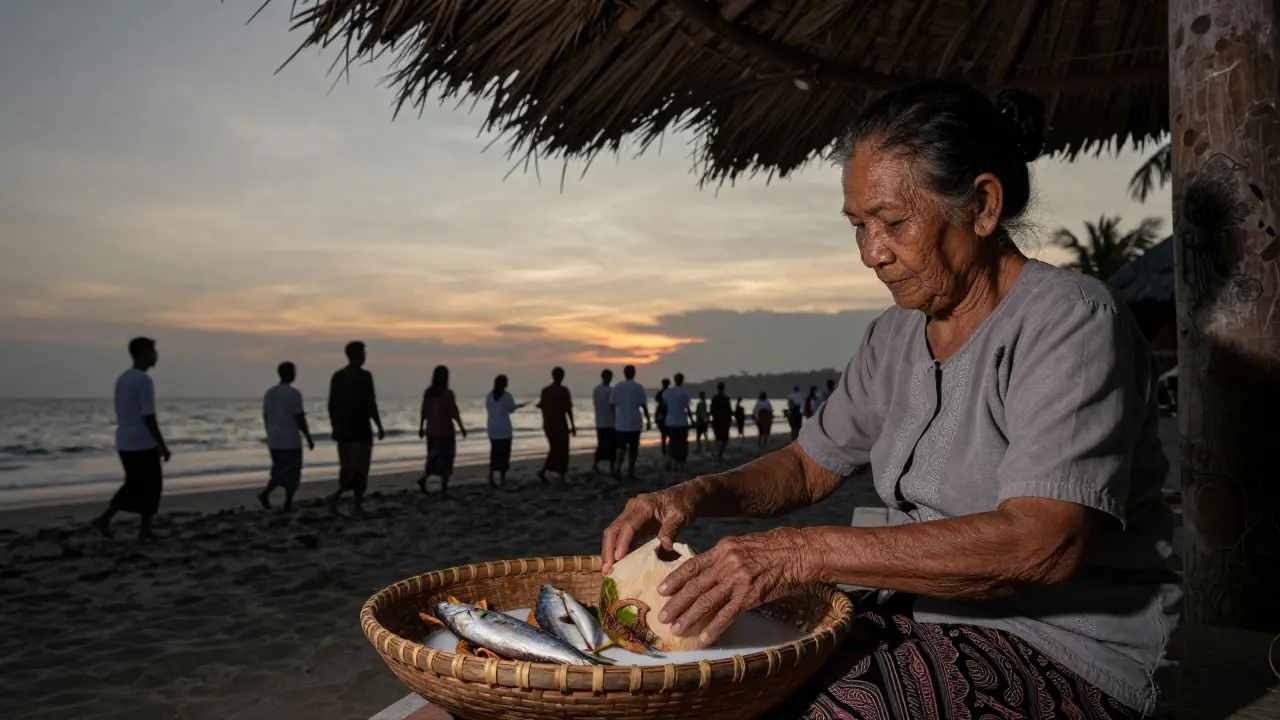
Hakali’s traditions aren’t performed for visitors. They’re lived. Every full moon, the community holds a ceremony called Tarapu-a silent procession along the shore where people carry woven baskets filled with offerings: coconut milk, rice, and dried fish. No drums. No chanting. Just footsteps in the sand and the rhythm of the tide.
They believe the ocean remembers every soul who’s ever touched its waters. If you take something from the sea-fish, shells, coral-you leave something behind in return. That’s why you’ll see visitors quietly placing a small stone or a folded leaf on the rocks after gathering a few shells. It’s not a rule. It’s just what you do.
There’s no written history here. Knowledge is passed down orally. The oldest person in Hakali, a woman named Nenek Sari, is 98. She can tell you the names of every wave pattern, the migration routes of every fish species, and the exact date when the last typhoon changed the shape of the reef. She doesn’t know the year it happened. She just remembers the taste of the air before it came.
How to Get There (And What to Bring)
If you’re serious about visiting Hakali, you need to plan carefully. The nearest international airport is in Kupang, East Nusa Tenggara. From there, hire a local driver to take you to Lembah Bawah (about 6 hours). Then, arrange a boat with a fisherman named Pak Joko. He’s the only one who’ll take visitors. Ask for him by name. He doesn’t have a phone, so you’ll need to find him at the dock before sunrise.
Bring:
- Enough cash for food and a homestay (no cards accepted)
- Reusable water bottles and a filter (tap water isn’t safe)
- Light, breathable clothing-no shorts or tank tops for women out of respect
- A small gift: tea, coffee, or medicine-nothing flashy
- A notebook and pen. No cameras. They don’t like being photographed.
Don’t expect luxury. You’ll sleep on a woven mat on the floor. Meals are cooked over an open fire: fish steamed in banana leaves, cassava porridge, and fruit that tastes like nothing you’ve ever had before. You’ll be tired. You’ll be dusty. You might not shower for three days. And you’ll never forget it.

Why Visit Hakali Now?
There’s no tourism board promoting Hakali. No documentaries. No viral TikTok videos. But that’s changing. A few anthropologists from the University of Gadjah Mada have started visiting quietly, documenting language and oral traditions. A Dutch filmmaker spent six weeks here last year and left without filming a single frame. He said, ‘I didn’t come to capture Hakali. I came to remember what it feels like to be unseen.’
The village is small. It can’t handle crowds. If too many people show up, the balance breaks. The fish stop coming close to shore. The children stop playing outside. The elders stop sharing stories.
Visiting Hakali isn’t about checking off a destination. It’s about being a quiet guest. It’s about listening more than speaking. About leaving without taking more than you give.
What You’ll Take Home
You won’t come back with a stack of postcards or a souvenir keychain. You’ll come back with silence. The kind that settles in your chest after a long day of walking without headphones. You’ll remember the smell of woodsmoke mixed with salt. The way the light hits the water at dawn. The quiet nod of a woman who handed you a cup of tea without saying a word.
Hakali doesn’t want to be famous. But if you go, and you go right, you’ll carry a piece of it with you-not as a memory, but as a change. You’ll start noticing quiet things again. The way wind moves through trees. The sound of your own breath. The value of stillness.
And maybe, just maybe, you’ll find yourself telling someone else about Hakali-not to send them there, but to remind them that some places aren’t meant to be found. They’re meant to be felt.
Is Hakali safe for solo travelers?
Yes, but only if you respect the rules. Hakali has no crime. The community looks out for each other-and visitors who behave with humility. Solo travelers are welcome, but you must arrive with a local guide or fisherman. Never show up unannounced. Don’t wander off alone at night. And never take photos without asking-verbally, not just with your eyes.
Can I visit Hakali in the rainy season?
It’s not recommended. Between December and March, the sea is too rough for boats. Roads turn to mud. The village cuts off from the outside world. If you come during this time, you’ll be stuck. The locals don’t mind-life slows down, and they use the time to repair nets, plant crops, and rest. But you won’t have access to food or medicine if something goes wrong.
Do I need a visa to visit Hakali?
You need a valid Indonesian visa to enter the country, but no special permit is required for Hakali. It’s not a protected area or national park. However, you must enter through official ports and register your travel plans with local authorities in Kupang. If you arrive illegally, you risk being turned away-or worse, fined.
Is there any medical help nearby?
No. The nearest clinic is in Lembah Bawah, a 4-hour boat ride away. Hakali has no doctor, no pharmacy, no electricity for refrigeration. If you have a chronic condition, bring enough medication for your entire stay. Malaria is rare, but dengue fever has been reported in nearby regions. Use mosquito repellent. Wear long sleeves at dusk. Don’t assume help is coming if you get sick.
Can I volunteer or work in Hakali?
Not as a tourist. The village doesn’t run volunteer programs. They don’t need help with construction, teaching, or cleaning. What they need is respect. If you’re a researcher, artist, or writer, you can request permission through the local council in Kupang. But you must commit to staying at least three months, learning the language, and contributing something tangible-like documenting oral stories or helping preserve traditional weaving techniques. Short-term visits for ‘voluntourism’ are not welcome.



About Author

Popular Posts