Asian Erotic Massage Guide: Benefits, Risks, and What to Expect in 2026
Walking into a dimly lit room with the scent of jasmine oil in the air, you might feel a mix of curiosity and hesitation. The term Asian erotic massage often sparks immediate assumptions, but the reality is far more nuanced than what movies or internet ads suggest. For many people seeking relief from chronic stress, muscle tension, or simply a deeper connection to their own bodies, this practice offers a unique blend of therapeutic touch and sensual awareness. However, navigating this world requires knowing exactly what you are signing up for, where the line between therapy and entertainment lies, and how to ensure your experience is both safe and fulfilling.
Defining the Spectrum: From Reflexology to Tantra
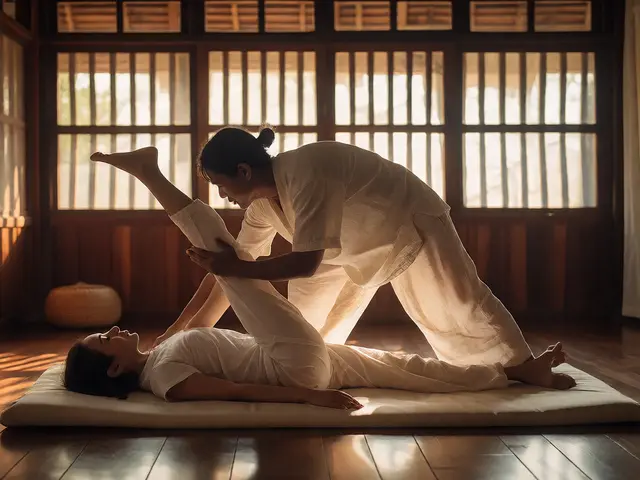
To understand what you are actually paying for, we need to strip away the marketing fluff. "Asian erotic massage" is not a single, standardized medical procedure. It is an umbrella term that covers a wide spectrum of bodywork traditions, ranging from ancient healing arts to modern sensual therapies. At one end of the spectrum, you have traditional modalities like Thai massage or Shiatsu, which are strictly therapeutic. At the other end, you find services that explicitly include sexual gratification, often operating in legal gray areas depending on your location.
In the middle ground lies what many professionals call "sensual" or "intimate" massage. These sessions focus on erogenous zones, relaxation, and heightened bodily awareness without necessarily leading to sexual intercourse. Understanding this distinction is crucial. If you are looking for deep tissue work to fix a back injury, a purely erotic session might leave you sore. If you are seeking intimacy and release, a rigid clinical massage might feel cold and disconnected. Knowing your intent before you book helps you communicate clearly with the therapist and ensures you get the results you want.
The Roots: Traditional Asian Healing Arts
Many techniques labeled as "erotic" today have roots in legitimate traditional medicine systems. For instance, Tuina is a form of Chinese therapeutic massage that uses rhythmic compression along the lines of the meridians. Tuina aims to balance the flow of Qi (energy) and blood. While it can be intense and involve stretching, it is fundamentally about health. Similarly, Ayurvedic massages from India, such as Abhyanga, use warm herbal oils to detoxify the body and calm the nervous system. These practices emphasize the mind-body connection, suggesting that physical tension holds emotional trauma.
When these traditional methods are adapted for a modern, Western audience, they sometimes evolve. The slow, mindful strokes of a Thai massage, for example, naturally induce a state of deep relaxation that can feel sensual. Therapists who specialize in "body awareness" may incorporate elements of breathwork and eye contact, bridging the gap between clinical therapy and personal intimacy. This evolution is not inherently negative; it reflects a growing human desire for holistic well-being that addresses both physical pain and emotional isolation.
What Happens During a Session?
If you decide to book a session, transparency is key. A reputable practitioner will always start with a consultation. This isn't just paperwork; it's a chance to set boundaries. You should discuss any injuries, preferences, and specifically, what level of intimacy you are comfortable with. In a true therapeutic setting, consent is ongoing. You are in control.
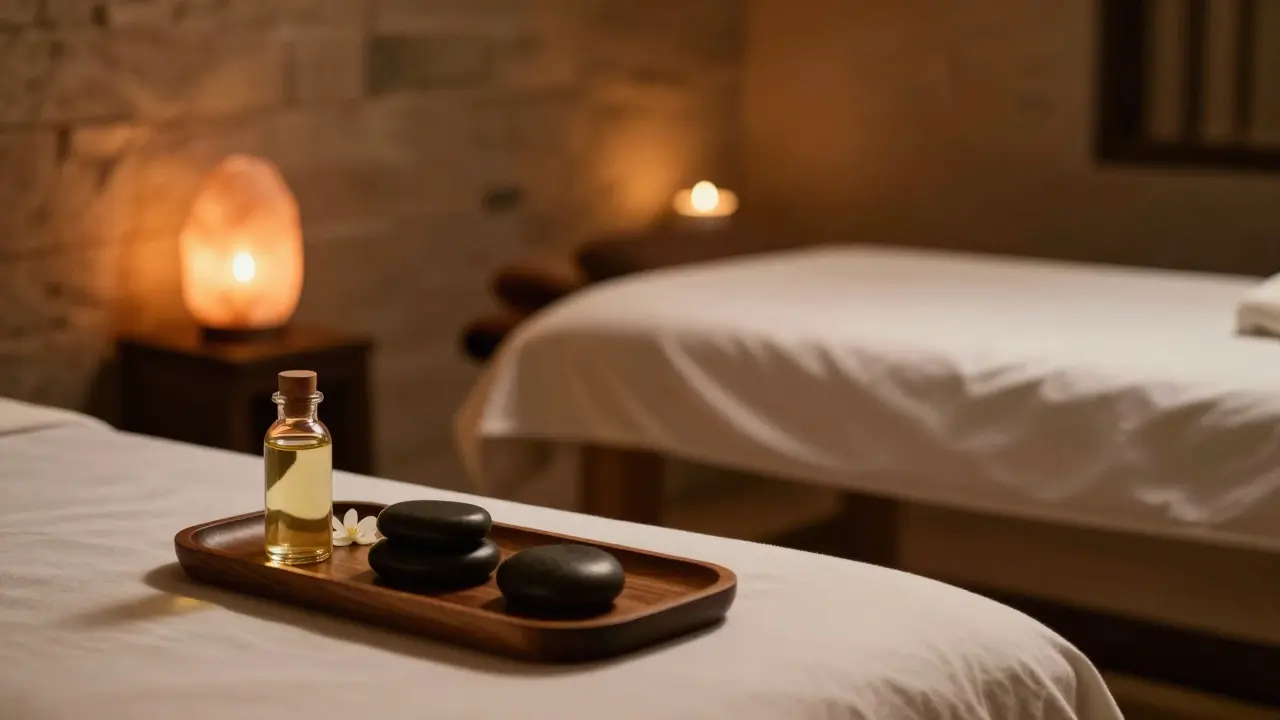
Once the session begins, expect the environment to be carefully curated. Soft lighting, calming music, and essential oils are standard tools used to engage your senses beyond just touch. The massage itself typically starts with long, flowing strokes to warm up the muscles and build trust. As the session progresses, the pressure may change. In sensual variations, the therapist might pay special attention to areas rich in nerve endings, such as the feet, neck, and inner thighs, using techniques designed to heighten sensitivity rather than just relieve knots.
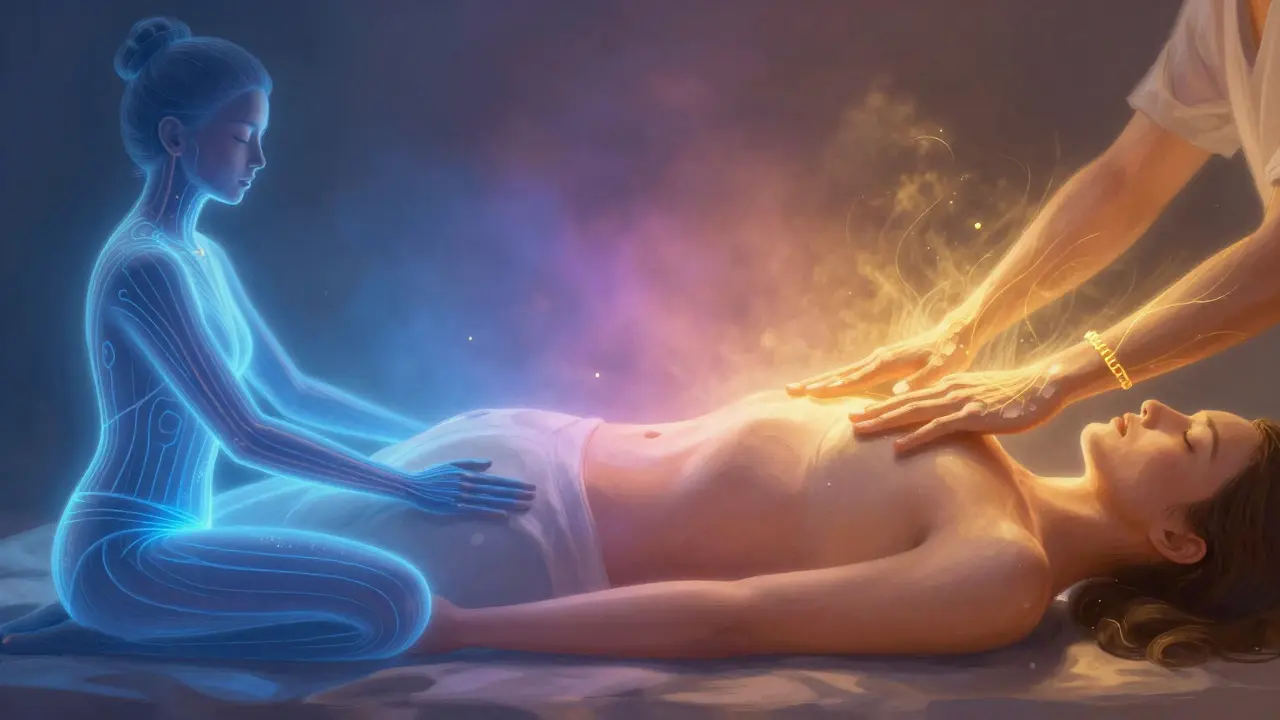
Breathwork is often integrated. You might be guided to synchronize your breathing with the therapist's movements. This simple act can dramatically lower cortisol levels and increase oxytocin, the bonding hormone. The goal is not just to relax your muscles, but to quiet your mind. Many clients report feeling a sense of euphoria or emotional release by the end, which is why some confuse the physiological response with eroticism. The body, when fully relaxed and touched with intention, naturally responds with pleasure.
Safety First: Navigating Legal and Health Risks
Let’s address the elephant in the room: legality and safety. The term "erotic massage" is heavily regulated, and in many jurisdictions, it overlaps with prostitution laws. In places like Australia, the US, and much of Europe, explicit sexual acts for money are illegal unless performed in licensed brothels (where applicable). Therefore, many spas operate under the guise of "wellness" or "reflexology" while offering illicit services on the side. This creates a risky environment for both clients and workers.
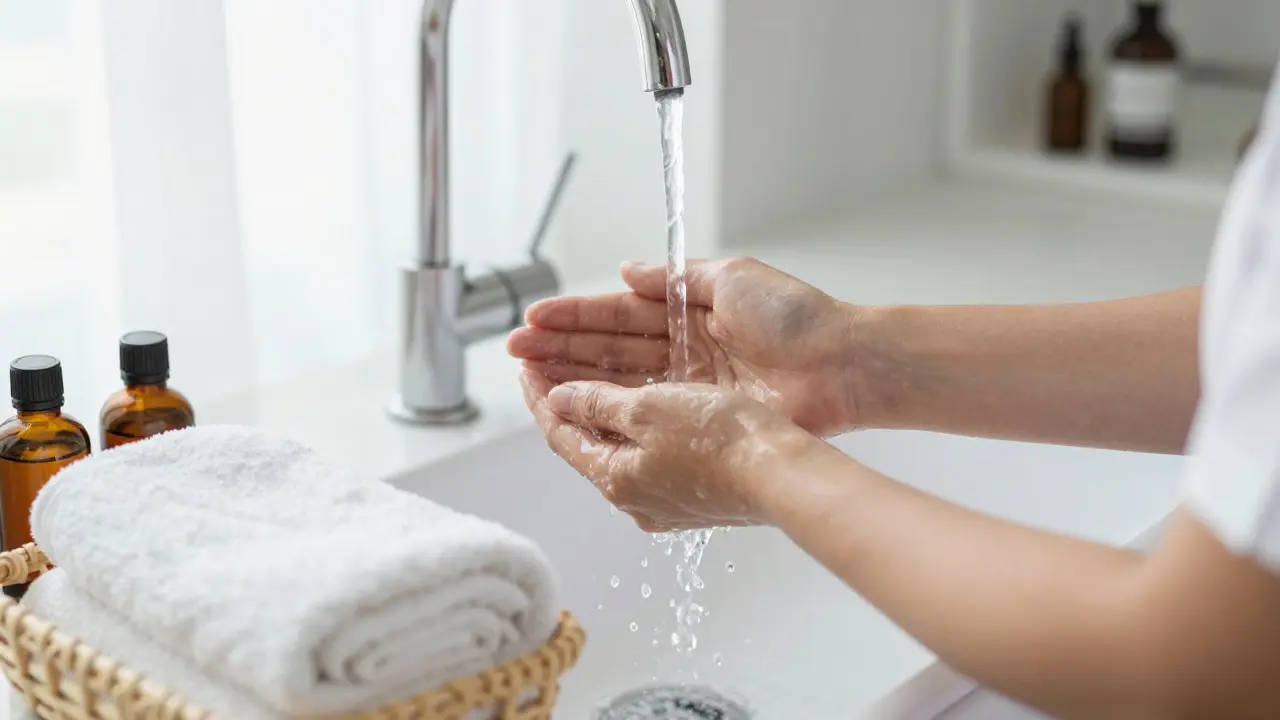
Health risks are also a concern. Without proper hygiene protocols, skin-to-skin contact can transmit infections. Always check if the establishment follows strict sanitation standards. Are sheets changed between every client? Is fresh oil used? Does the therapist wash their hands thoroughly? A professional clinic will have no issue showing you their hygiene practices. If something feels shady or rushed, trust your gut and walk away.
Furthermore, emotional safety matters. Vulnerability is required in any intimate setting. Ensure you are dealing with a licensed professional or a highly reviewed independent practitioner. Check local regulations. In Melbourne, for example, massage therapists must adhere to specific health and safety codes. Verifying credentials protects you from scams and ensures you are receiving skilled care.
How to Choose the Right Practitioner
Finding a good provider takes research. Avoid vague websites with stock photos and no clear service descriptions. Look for practitioners who openly discuss their methodology. Do they mention training in anatomy, physiology, or specific modalities like Tantra or Rolfing? Legitimate therapists are proud of their education.
Read reviews critically. Look for comments about professionalism, punctuality, and technique, not just "great vibes." Be wary of reviews that sound scripted or overly focused on sexual outcomes if you are seeking therapeutic benefits. Conversely, if you are seeking a sensual experience, look for platforms or directories that specialize in ethical, consensual adult wellness, ensuring that workers are treated fairly and paid appropriately.
Price is another indicator. Extremely cheap prices often signal corner-cutting on hygiene, training, or fair wages. High-end clinics charge more because they invest in quality oils, spacious facilities, and highly trained staff. Set a budget that reflects the value of professional care. Remember, you are investing in your well-being, so prioritize quality over cost.
The Psychological Impact: More Than Just Touch
Why do people seek out these experiences? Beyond physical relief, there is a profound psychological component. In our digital age, human touch is scarce. Skin hunger, or the lack of non-sexual touch, is a recognized phenomenon linked to anxiety and depression. An intimate massage provides a safe container for connection. It allows individuals to explore their bodies without judgment, fostering self-acceptance and body positivity.
For couples, shared experiences can reignite intimacy. Learning to give and receive touch mindfully can translate into better communication and deeper bonds outside the massage room. However, it requires open dialogue. Both partners must agree on boundaries and expectations. It’s not about performance; it’s about presence. When done right, these practices can heal past traumas related to body image or intimacy issues, provided the practitioner is trained in trauma-informed care.
Alternatives and Complementary Practices
If you are unsure about jumping straight into an erotic or sensual session, consider starting with gentler alternatives. Hot stone therapy, for instance, uses heated basalt stones to relax muscles deeply, promoting a similar state of trance-like relaxation. Sound healing with Tibetan singing bowls can also induce deep meditative states, preparing the body for more intensive work later. Yoga and mindfulness meditation build the internal awareness needed to fully benefit from any tactile therapy.
Another option is couples massage in a clinical spa setting. This removes the stigma and focuses on mutual relaxation. It’s a low-pressure way to experience synchronized touch and shared tranquility. Over time, as comfort levels grow, you might explore more specialized modalities. The key is gradual exposure and listening to your body’s needs.
| Massage Type | Primary Goal | Technique Focus | Best For |
|---|---|---|---|
| Deep Tissue | Pain Relief | Muscle Knots | Athletes, Chronic Pain |
| Thai Massage | Flexibility & Energy | Stretching & Pressure Points | Stiffness, Low Energy |
| Sensual/Erotic | Intimacy & Relaxation | Erogenous Zones, Breathwork | Stress, Body Awareness |
| Reflexology | Organ Balance | Foot/Hand Points | Digestion, Sleep Issues |
Post-Session Care and Integration
Your experience doesn’t end when the timer stops. The body remains in a heightened state of sensitivity for hours afterward. Drink plenty of water to flush out toxins released during the massage. Avoid heavy meals or alcohol immediately after. Instead, opt for light nourishment and rest. Journaling can help process any emotions that surface. It’s common to feel emotional waves post-session; this is part of the release process.
Listen to your body. If you feel sore, apply gentle heat or stretch lightly. If you feel energized, take a walk in nature. Integrating the experience means carrying that sense of calm and self-awareness into your daily life. Practice the breathing techniques you learned. Notice how your body responds to stress. The massage is a tool, but your daily habits determine the long-term benefits.
Is Asian erotic massage legal in Australia?
Legality varies by state. In Victoria, massage therapy itself is unregulated, meaning anyone can offer it. However, if sexual services are exchanged for money, it falls under prostitution laws, which are legal only in licensed brothels in certain areas. Purely therapeutic massages are always legal. Always verify the status of the establishment to avoid legal complications.
What should I wear to a sensual massage?
Most therapists provide draping towels or sheets to cover you, exposing only the area being worked on. You usually undress to your level of comfort. For sensual sessions, you might choose to wear less clothing, but communication is key. Discuss your preference during the initial consultation so the therapist can adjust the draping accordingly.
How do I know if a therapist is professional?
Look for certifications in recognized massage modalities (e.g., AMTA membership in Australia). Professional therapists maintain a clean, private workspace, ask for informed consent, and respect boundaries. They will not pressure you into unwanted acts. Check online reviews for mentions of professionalism and hygiene.
Can erotic massage help with relationship issues?
Indirectly, yes. By improving body awareness, reducing stress, and enhancing comfort with touch, individuals may bring more presence and sensitivity to their relationships. However, it is not a substitute for couples counseling. It works best as a complementary practice to improve individual well-being, which then positively impacts the partnership.
What is the difference between Tantra and erotic massage?
Tantra is a spiritual tradition that uses energy work, breath, and meditation to connect mind, body, and spirit. Erotic massage is a broader term that may or may not include Tantric principles. True Tantric massage focuses on energy flow and spiritual union, whereas generic erotic massage often focuses primarily on physical pleasure. Look for practitioners trained in authentic Tantric lineage if you seek the spiritual aspect.

About Author

Popular Posts