Exploring the Healing Benefits of Shiatsu
When you think of massage, you might picture long strokes on your back or deep kneading in your shoulders. But shiatsu is different. It doesn’t rely on oils or tables. It’s done fully clothed, usually on a mat on the floor. And instead of just rubbing muscles, it uses fingers, thumbs, and palms to press along energy pathways in your body. This isn’t just relaxation-it’s a system developed in Japan that’s been used for centuries to help people feel better from the inside out.
What Exactly Is Shiatsu?
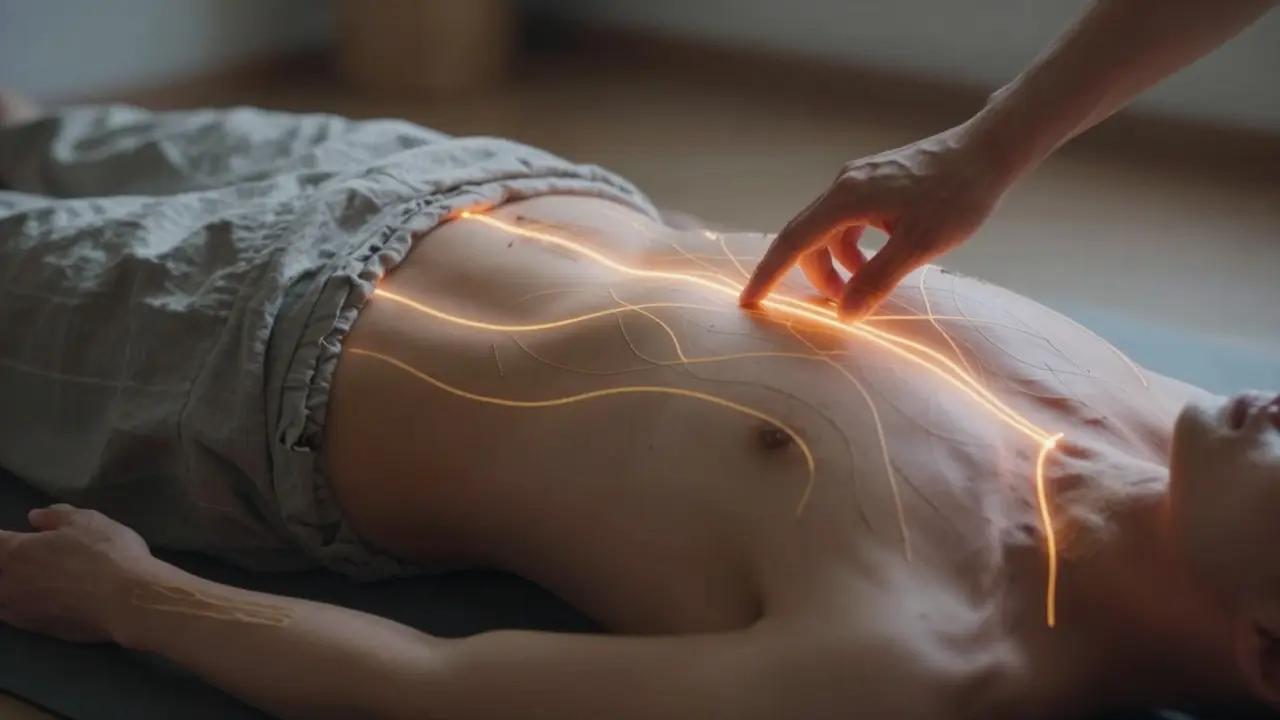
Shiatsu comes from two Japanese words: shi meaning finger, and atsu meaning pressure. So literally, it’s finger pressure. But that’s like calling a symphony just ‘notes played on instruments.’ The real power lies in how it works with your body’s energy flow, called qi (or ki in Japanese).
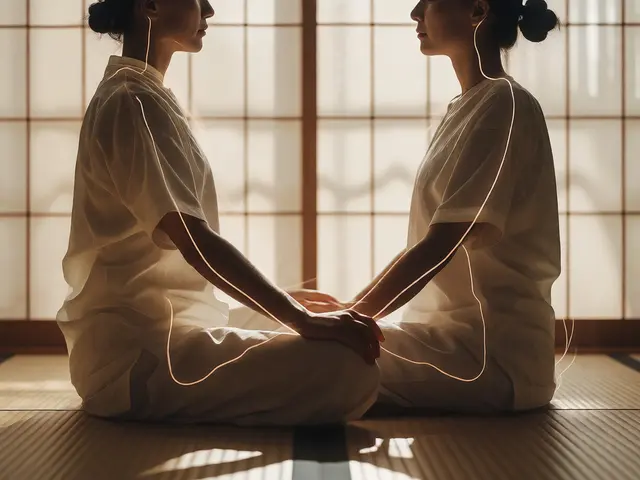
Practitioners follow a map of meridians-paths that run through the body, connecting organs and systems. These aren’t visible like veins, but they’re mapped based on thousands of years of observation. When energy gets stuck or blocked in one of these pathways, it can show up as tension, pain, fatigue, or even digestive issues. Shiatsu doesn’t just push on sore spots. It finds where the energy is lagging and gently restores balance.
Unlike Swedish massage, which focuses on muscle tissue, shiatsu works on the whole system. A session might start with pressure on your feet, move up to your lower back, then settle into your shoulders-all because those areas are connected through the same energy channel. It’s not random. Every touch has a purpose.
How Shiatsu Feels in Practice
People often ask, ‘Does it hurt?’ The answer is: it shouldn’t. Shiatsu isn’t about brute force. It’s about precision. A good practitioner applies pressure slowly, steadily, and with awareness. You might feel a deep ache in one spot, but it should feel like a release-not sharp or burning. If it hurts too much, speak up. That’s not the point.
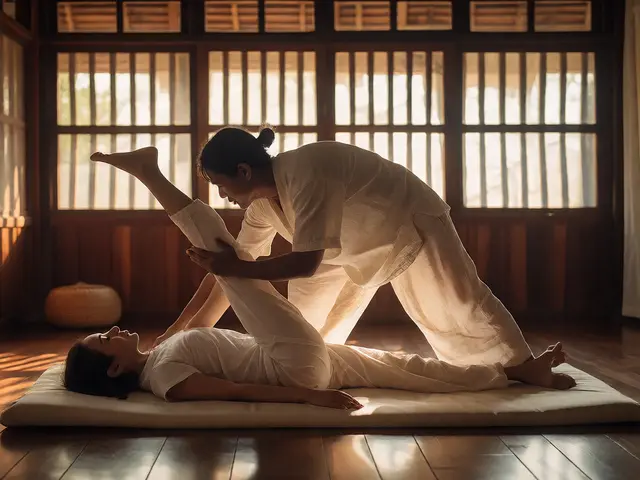
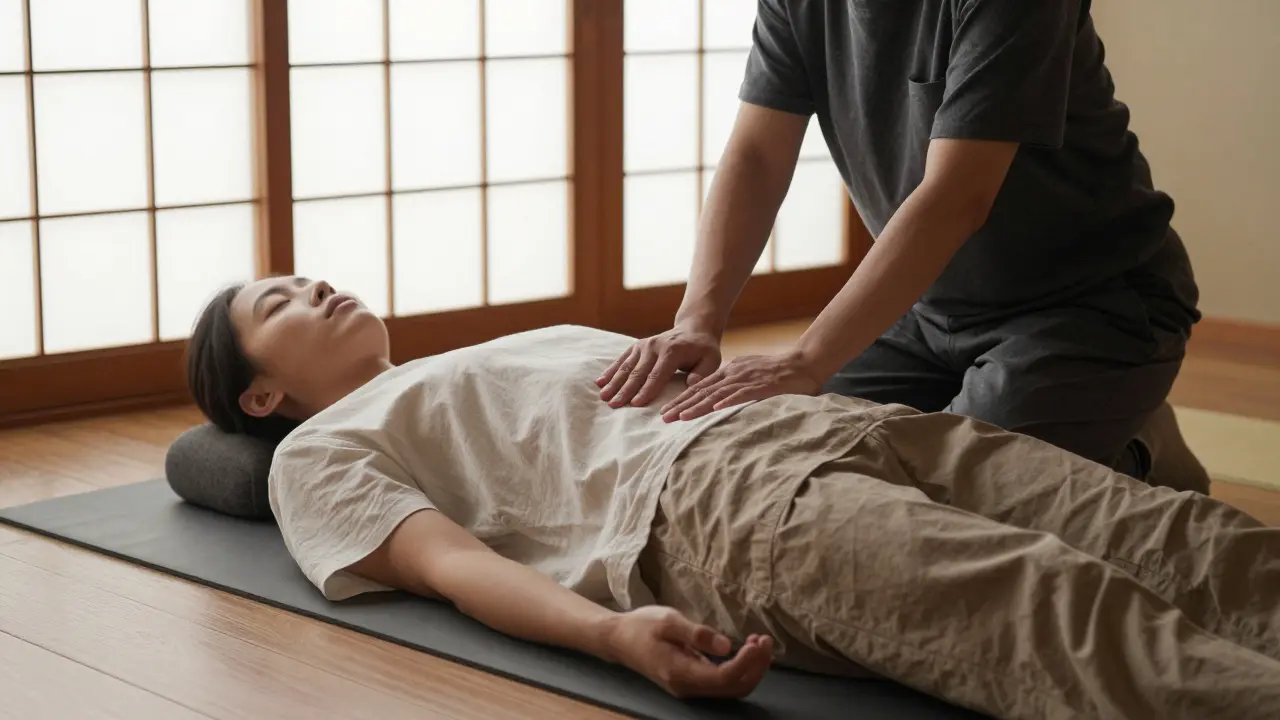
During a typical 60-minute session, you’ll lie on a futon or mat, fully dressed in loose clothing. The therapist will use their thumbs to press along your back, legs, arms, and head. They might stretch your limbs gently or rotate your joints. It’s not aggressive. It’s more like a slow, mindful conversation with your body.
Some people fall asleep. Others feel tingling, warmth, or even emotional releases-tears, laughter, or sudden calm. That’s normal. Shiatsu doesn’t just affect your muscles. It touches your nervous system. After a session, many report feeling lighter, clearer-headed, and oddly grounded, like they’ve reset something inside.
The Science Behind the Pressure
Is shiatsu just ancient belief-or does it have real, measurable effects? Research is growing. A 2021 review in the Journal of Bodywork and Movement Therapies looked at 18 clinical studies on shiatsu and found consistent reports of reduced stress, lower cortisol levels, and improved sleep quality.
One study from Osaka University tracked participants with chronic lower back pain. After eight weekly shiatsu sessions, 72% reported significant pain reduction, and 68% said they needed fewer painkillers. Another trial at Kyoto University showed that people with anxiety who received shiatsu had measurable drops in heart rate variability-a sign their nervous system was shifting out of fight-or-flight mode.
It’s not magic. It’s physiology. The pressure stimulates nerve endings that send signals to the brain, triggering the release of endorphins and reducing inflammation. It also improves circulation, helping flush out metabolic waste that builds up in tight muscles. And because it’s done with the whole body in mind, it doesn’t just mask symptoms-it helps restore balance.
Who Can Benefit From Shiatsu?
You don’t need to be sick to try shiatsu. In fact, many people use it as preventive care. But it’s especially helpful for:
- People with chronic stress or burnout
- Those with tension headaches or neck stiffness from sitting at desks
- People recovering from injury who need gentle movement support
- Individuals with digestive issues like bloating or constipation
- Anyone struggling with sleep or anxiety
It’s safe for most people, including older adults and pregnant women-though always check with your doctor if you have osteoporosis, blood clots, or recent surgery. Shiatsu isn’t a replacement for medical treatment, but it’s a powerful complement.
One client I know, a teacher in her late 50s, started shiatsu after years of insomnia and shoulder pain from grading papers. After three months of weekly sessions, she stopped taking sleep aids. She says, ‘It’s like my body finally remembered how to relax.’
Shiatsu vs. Other Massage Therapies
It’s easy to confuse shiatsu with other types of bodywork. Here’s how it stands apart:
| Feature | Shiatsu | Swedish Massage | Deep Tissue | Acupressure |
|---|---|---|---|---|
| Focus | Energy flow (meridians) | Relaxation and muscle tension | Chronic muscle knots | Pressure points |
| Pressure Style | Slow, steady, rhythmic | Long, flowing strokes | Intense, targeted | Point-specific, brief holds |
| Clothing | Fully clothed | Undressed, draped | Undressed, draped | Fully clothed |
| Tools Used | Thumbs, fingers, palms | Hands, forearms, oils | Elbows, knuckles | Fingers, tools |
| Duration of Effect | Hours to days-systemic | Short-term relaxation | Days, with soreness | Short-term relief |
Shiatsu is the only one that treats your body as an interconnected energy system. It doesn’t just fix one tight spot-it looks at how your neck pain might be linked to your digestion, or how your anxiety affects your lower back. That’s why the results often feel deeper and longer-lasting.
How to Find a Good Shiatsu Practitioner
Not everyone who calls themselves a ‘massage therapist’ knows shiatsu. Look for credentials. In Australia, certified practitioners often hold qualifications from the Shiatsu Society of Australia or similar bodies. Ask if they’ve trained in traditional Japanese shiatsu, not just a weekend workshop on ‘pressure point relaxation.’
Good practitioners will ask about your health history, sleep patterns, and stress levels-not just where you’re sore. They’ll explain what they’re doing and check in with you during the session. If they’re silent the whole time or push too hard, walk away.
Start with a 30-minute session to see how your body responds. You don’t need to commit to a package right away. Many clinics offer introductory rates.
Can You Do Shiatsu at Home?
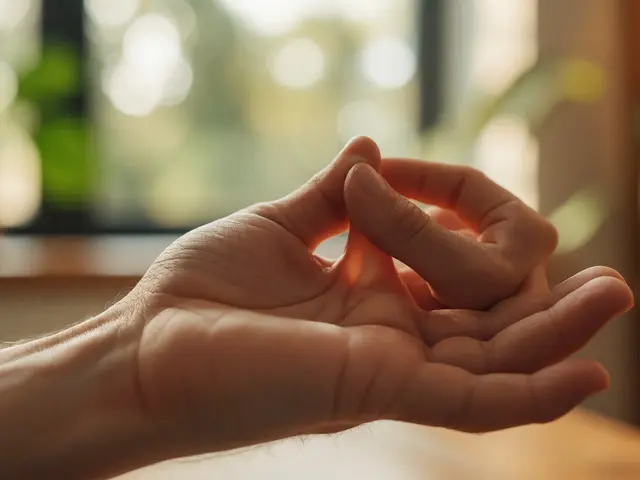
You can’t replicate a full session on your own-but you can learn simple techniques to ease daily tension. Try this: sit upright, close your eyes, and use your right thumb to press firmly but gently into the space between your thumb and index finger (this is called LI4, or the ‘Union Valley’ point). Hold for 30 seconds. You might feel a slight ache. That’s okay. Breathe into it. Repeat on the other hand. Do this before bed or when you feel overwhelmed.
Another easy move: use your knuckles to press along the spine, from the base of your neck down to your lower back. Move slowly, one inch at a time. Pause where you feel tightness. Don’t force it. Just rest your weight there for a few breaths.
These aren’t magic fixes, but they’re tools. Used daily, they help keep your energy moving and your nervous system calm.
Why Shiatsu Works When Other Things Don’t
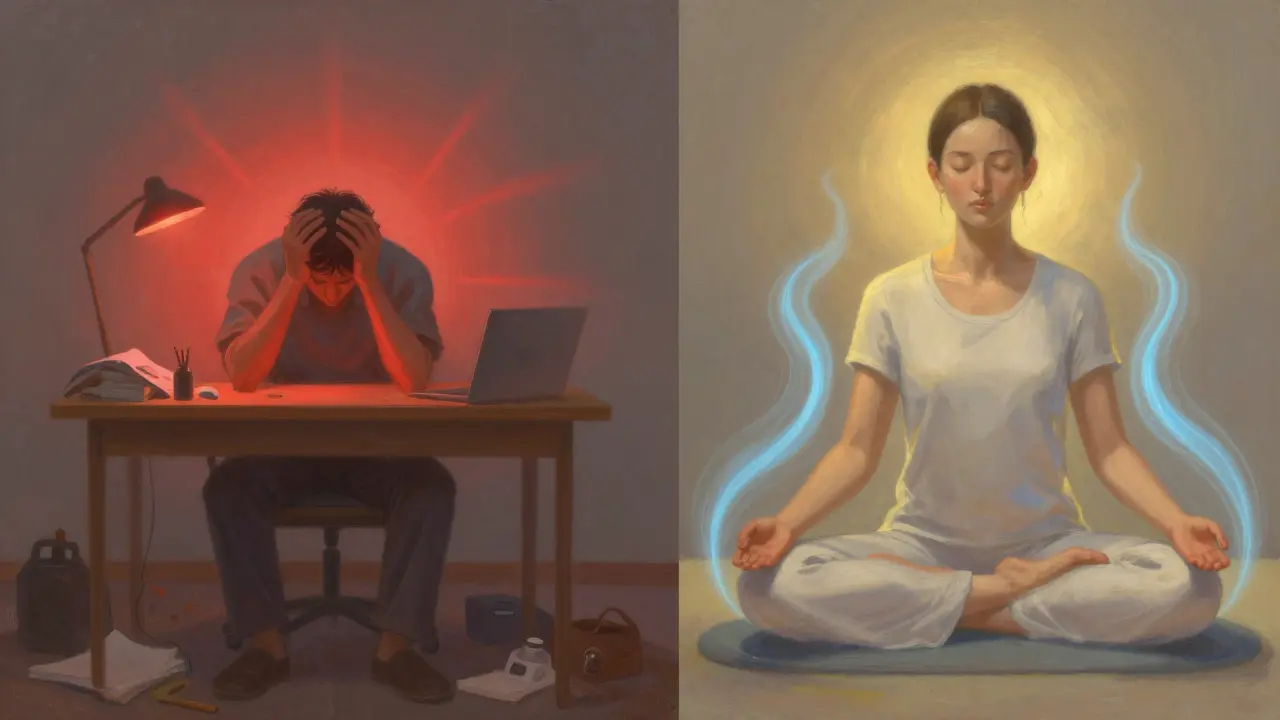
Modern life keeps us wired. We’re always doing, thinking, scrolling, reacting. Shiatsu gives your nervous system permission to pause. It doesn’t demand anything from you. You just lie there. And while your body receives pressure, your mind gets space to settle.
That’s why people keep coming back-not because they’re chasing pain relief, but because they’re chasing peace. Shiatsu doesn’t promise miracles. But it does offer something rare in today’s world: a quiet, physical moment where you’re not being fixed. You’re simply being held.
Is shiatsu painful?
No, shiatsu shouldn’t hurt. It uses steady, deliberate pressure-not force. You might feel a deep ache in tight areas, but it should feel like release, not injury. If it’s sharp or unbearable, tell your practitioner. Good shiatsu respects your limits.
How often should I get shiatsu?
For general wellness, once a month is enough. If you’re dealing with stress, chronic pain, or recovery, once a week for 4-6 weeks can make a big difference. After that, you can taper to every two or three weeks. Listen to your body-it’ll tell you when you need another session.
Can shiatsu help with anxiety?
Yes. Shiatsu activates the parasympathetic nervous system, which helps your body shift out of stress mode. Studies show it lowers cortisol and heart rate, and many people report feeling calmer, clearer, and more centered after sessions. It’s not a cure for anxiety, but it’s one of the most effective non-medical tools for managing it.
Do I need to believe in energy for shiatsu to work?
No. You don’t need to believe in qi or meridians for shiatsu to have physical effects. The pressure improves circulation, reduces muscle tension, and calms the nervous system-all things science can measure. Whether you think of it as energy flow or physiological response, the results are real.
Can shiatsu replace my doctor’s treatment?
No. Shiatsu is a complementary therapy, not a replacement for medical care. If you have a diagnosed condition like arthritis, heart disease, or depression, keep seeing your doctor. Shiatsu can support your recovery and ease symptoms, but it doesn’t diagnose or cure illnesses.
What Comes Next?
If you’ve ever felt too wired to relax, too tense to sleep, or too drained to enjoy quiet moments-shiatsu might be the reset you didn’t know you needed. It’s not flashy. It doesn’t promise quick fixes. But it offers something deeper: a way to come back to yourself, one breath, one press, one moment at a time.
Try it once. Lie down. Breathe. Let someone else hold the pressure while you let go. You might be surprised what your body remembers when you finally stop fighting it.
About Author