Compression Massage: Benefits, How It Works, and What to Expect
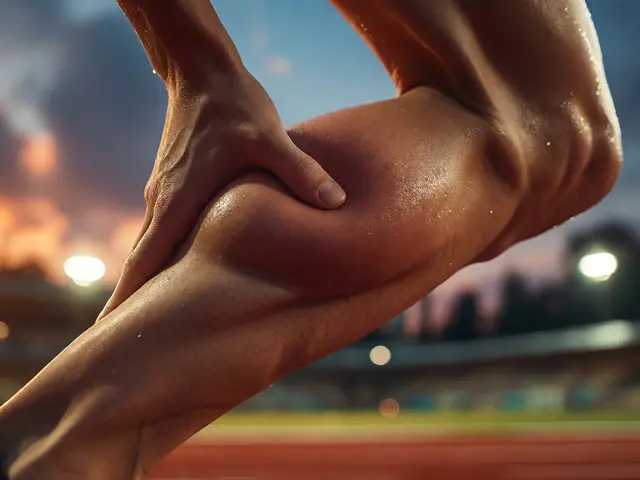
Picture this: you just finished a grueling marathon or a heavy leg day at the gym. Your muscles are screaming, your legs feel like lead, and every step sends a jolt of soreness up your spine. Now imagine sitting in a chair while large, soft sleeves gently squeeze your limbs, pushing fluid back toward your heart. That is compression massage, also known as air compression therapy or pneumatic compression. It is not magic, but it feels close to it for many people dealing with chronic pain, swelling, or intense athletic fatigue.
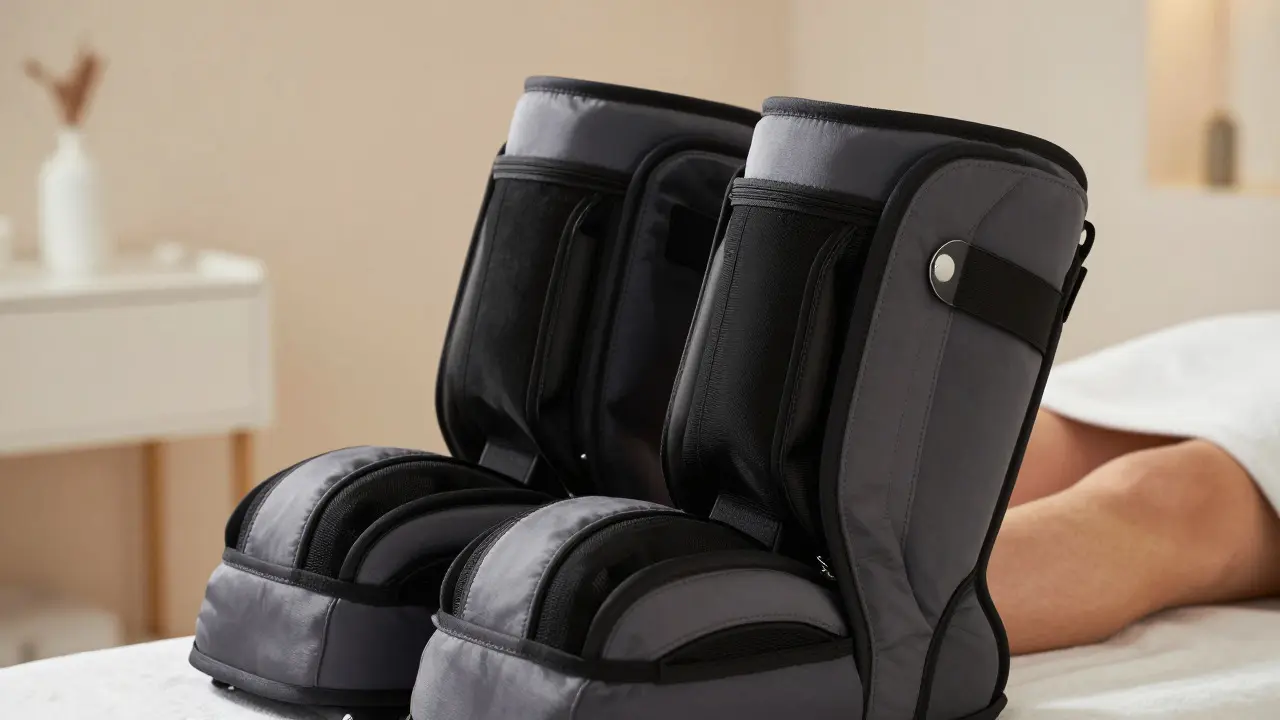
Unlike traditional manual massage where a therapist uses their hands to knead your tissues, this method relies on technology. A machine pumps air into sequential chambers in a sleeve or boot, creating a rhythmic squeezing motion. This mimics the natural pumping action of your muscles during movement. If you have ever wondered why your legs feel better after walking than after sitting still for hours, this technology replicates that beneficial mechanical force without you having to move a muscle.
How Air Compression Therapy Actually Works
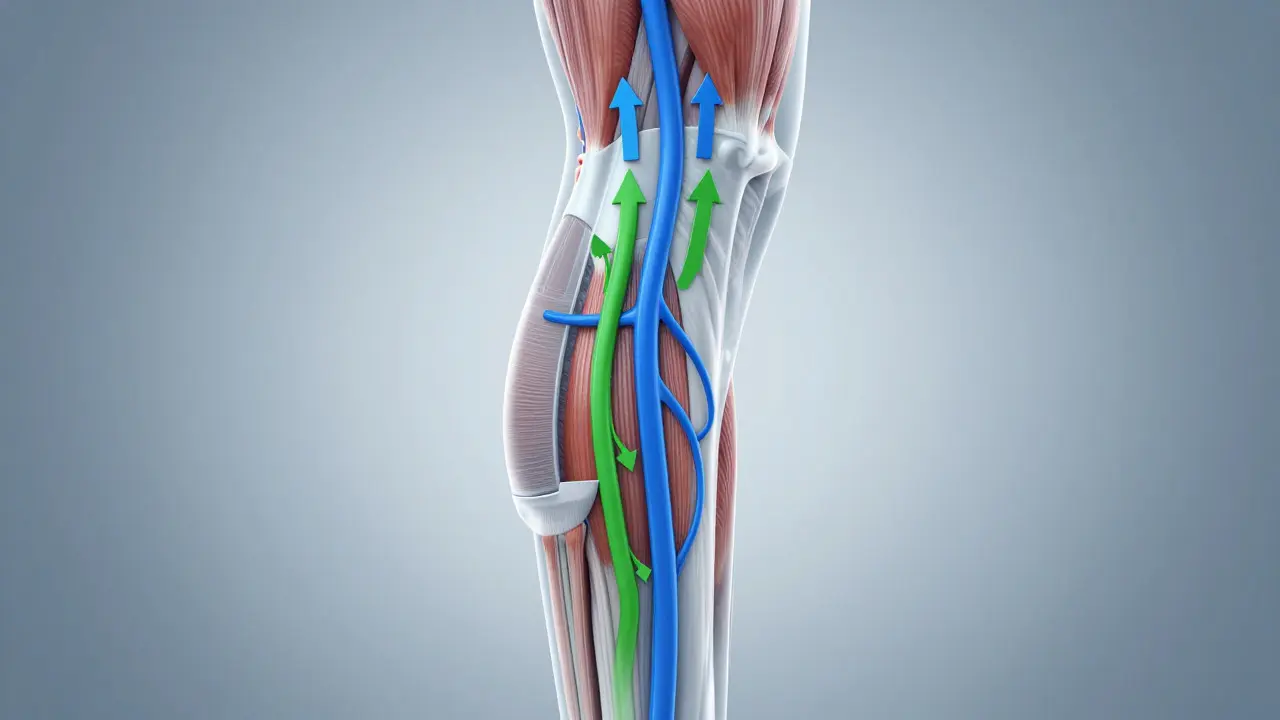
To understand why this works, we need to look at basic physiology. When you are inactive, gravity pulls blood and lymphatic fluid down into your lower extremities. Over time, this pooling causes swelling (edema) and stiffness. The lymphatic system, which helps remove waste products from your cells, does not have a pump like the heart. It relies on muscle contraction to move fluid along.
Pneumatic compression devices solve this problem by acting as an external pump. Here is the process:
- Inflation: The device inflates segments of the sleeve, usually starting at the ankles or wrists and moving upward.
- Sequential Squeeze: As one segment squeezes, it pushes fluid toward the next segment, which is already slightly inflated or about to inflate. This creates a wave-like effect.
- Deflation: The pressure releases, allowing fresh, oxygenated blood to flow back into the area.
This cycle repeats continuously. The result is improved circulation and faster removal of metabolic waste like lactic acid, which contributes to that burning sensation after exercise. For athletes, this means they can recover faster between training sessions. For older adults or those with limited mobility, it helps maintain healthy circulation when daily movement isn't enough.
Key Health Benefits Backed by Science
You might be skeptical because "massage" often gets lumped into alternative medicine categories. However, compression massage has solid clinical backing, particularly in post-surgical care and sports medicine. Let's break down what it actually does for your body.
| Benefit | Mechanism | Who Benefits Most |
|---|---|---|
| Reduced Swelling (Edema) | Mechanical propulsion of lymphatic fluid | Post-surgery patients, pregnant women, travelers |
| Faster Muscle Recovery | Removal of metabolic waste; increased blood flow | Athletes, fitness enthusiasts |
| Pain Relief | Gating theory of pain; reduced inflammation | Chronic pain sufferers, arthritis patients |
| Improved Circulation | Enhanced venous return | People with varicose veins, sedentary workers |
| Relaxation | Stimulation of parasympathetic nervous system | Anyone with stress or anxiety |
Swelling Reduction: This is the most documented benefit. Studies involving knee replacement surgeries show that patients using pneumatic compression experience less swelling and regain range of motion faster than those who do not. The physical pressure literally forces excess fluid out of the tissue and back into the circulatory system.
Muscle Recovery: While some studies debate the extent to which it reduces delayed onset muscle soreness (DOMS), most users report feeling significantly less stiff. The key here is consistency. Using the device within 24 hours of intense activity yields the best results. It doesn't replace sleep or nutrition, but it accelerates the cleanup process in your muscles.
Pain Management: For conditions like fibromyalgia or chronic lower back pain, the gentle pressure can distract the brain from pain signals. This is known as the gate control theory. Additionally, by reducing inflammation, the source of the pain may lessen over time.
Compression Massage vs. Traditional Manual Massage
If you are deciding between booking a session with a therapist or buying a home device, understanding the differences is crucial. They serve different purposes.
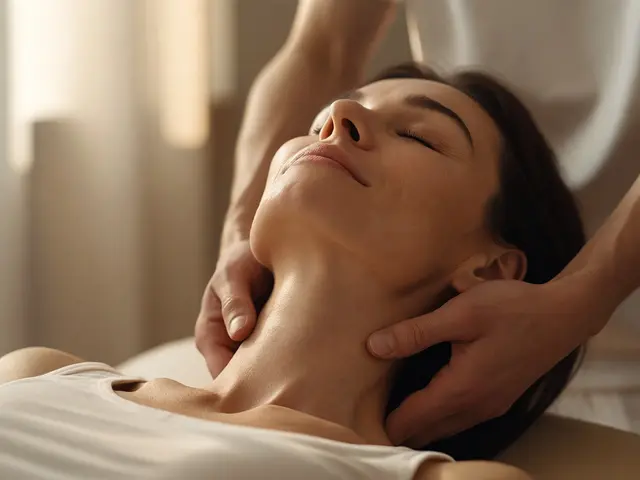
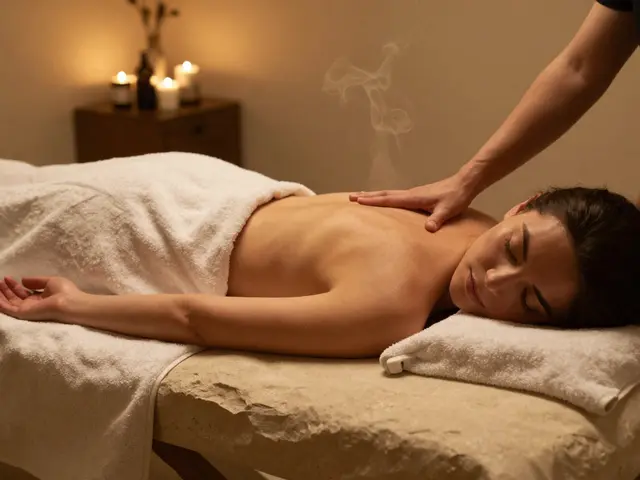
Manual massage offers tactile feedback. A skilled therapist can find specific knots (trigger points) and adjust pressure based on your reaction. It is highly personalized and deeply relaxing due to the human touch. However, it is expensive, time-consuming, and dependent on the therapist's skill level.
Compression massage is consistent. Every squeeze is exactly the same intensity and duration. You cannot "overwork" a muscle with a machine if the settings are correct. It is also accessible. You can use it while watching TV, working at your desk (if using arm sleeves), or even sleeping. The trade-off is that it lacks the nuanced targeting of hands-on therapy. It treats larger areas broadly rather than focusing on a single tight spot.
Think of it this way: manual massage is like a custom-tailored suit, while compression massage is like high-quality, well-fitting activewear. Both keep you comfortable, but they fit different needs.
Who Should Avoid Compression Massage?
Despite its benefits, this therapy is not for everyone. Because it moves blood and fluid aggressively, certain medical conditions require caution or total avoidance. Always consult your doctor before starting, especially if you fall into these categories:
- Deep Vein Thrombosis (DVT): If you have a blood clot in your leg, squeezing the area could dislodge it, leading to a life-threatening pulmonary embolism. This is the biggest risk.
- Active Infections or Open Wounds: Increased circulation can spread infection. Wait until skin heals completely.
- Severe Arterial Disease: If your arteries are narrowed, adding external pressure might restrict blood flow further rather than help it.
- Uncontrolled Heart Failure: Returning large volumes of fluid to the heart quickly can strain a weak heart. Medical supervision is essential.
- Certain Cancer Treatments: Some chemotherapy drugs make tissues fragile. Check with your oncologist.
Choosing the Right Device: Home Use vs. Clinical Grade
The market is flooded with options, ranging from $50 ankle sleeves to $1,000 full-body systems. How do you choose? Look at three factors: pressure range, coverage area, and portability.
Pressure Range: Measured in mmHg (millimeters of mercury). Therapeutic devices should offer adjustable pressure between 30 and 130 mmHg. Anything below 30 mmHg is likely too weak to move significant fluid. Anything above 130 mmHg is usually unnecessary for home use and can be uncomfortable.
Coverage Area: Decide what you want to treat. Leg sleeves are most common for runners and travelers. Arm sleeves help with upper body workouts or lymphedema in the arms. Full suits exist but are bulky and expensive. For most people, starting with legs is the best investment.
Portability: If you travel frequently, look for battery-operated units or lightweight compressors. Clinical-grade machines are often heavy and plug directly into wall outlets. Since I live in Perth, where summer heat can exacerbate swelling, I prefer a lightweight unit I can take to the beach or on road trips.
How to Use Compression Massage Safely and Effectively
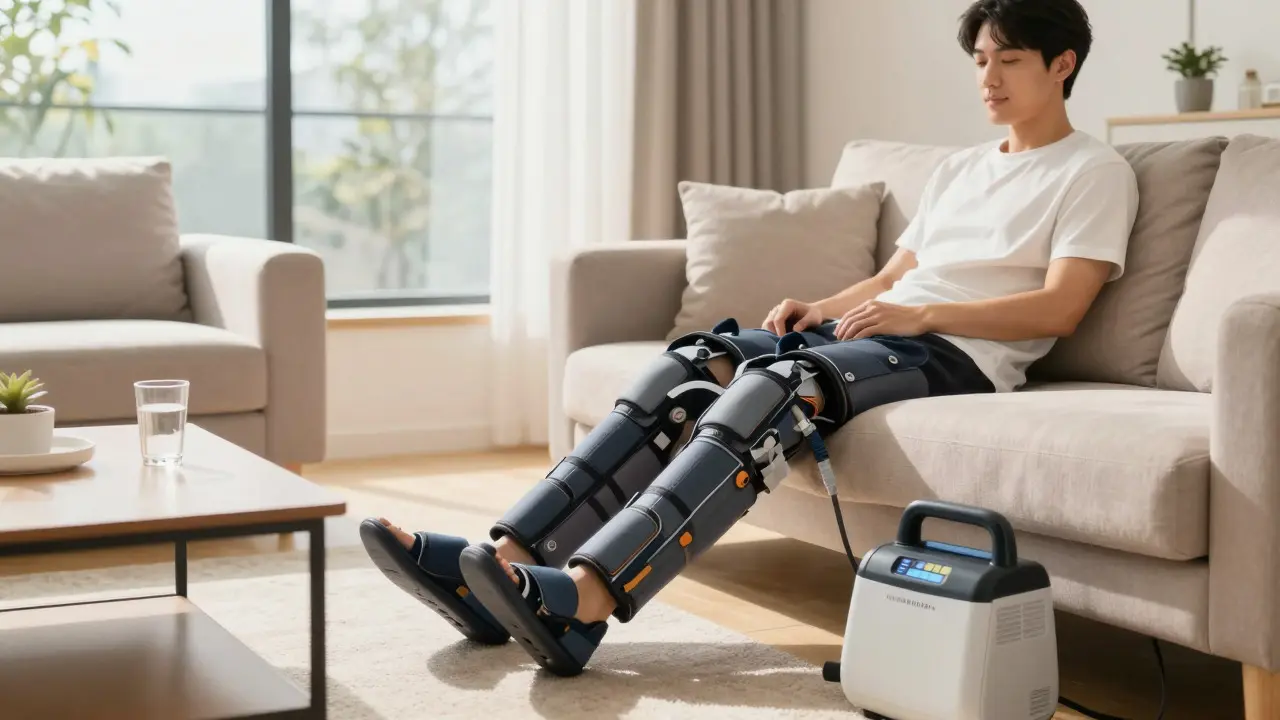
Using the device correctly matters more than the price tag. Follow these steps to get the most out of your sessions:
- Start Low: Begin with the lowest pressure setting. Increase gradually until you feel a firm, comfortable squeeze. It should never be painful.
- Limit Session Time: Start with 15-20 minutes. Most protocols suggest no more than 60 minutes per day unless directed by a physician.
- Hydrate: Moving fluid requires water. Drink plenty of water before and after your session to help your kidneys process the waste products being flushed out.
- Position Matters: For leg sleeves, lie flat with your legs elevated slightly if possible. This uses gravity to assist the machine. Sitting is okay, but elevation enhances effectiveness.
- Listen to Your Body: If you feel dizziness, nausea, or sharp pain, stop immediately. These are signs the pressure is too high or there is an underlying issue.
Integrating Compression Into Your Wellness Routine
Compression massage is a tool, not a cure-all. It works best when combined with other healthy habits. Pair it with regular movement, proper hydration, and balanced nutrition. For athletes, use it post-workout. For office workers, use it during long periods of sitting to counteract the effects of gravity. For seniors, use it to maintain mobility and reduce morning stiffness.
The beauty of this technology is its simplicity. No appointments needed, no awkward conversations with strangers, just consistent, reliable relief. Whether you are chasing a personal best or simply trying to walk comfortably through your day, compression massage offers a practical, science-backed solution.
Does compression massage really reduce muscle soreness?
Yes, it can help. By improving blood flow and removing metabolic waste like lactic acid, it speeds up the recovery process. While it may not eliminate soreness entirely, most users report feeling less stiff and recovering faster than if they rested completely.
How long should I wear compression massage boots?
Typical sessions last between 15 to 30 minutes. You can do this once or twice a day depending on your needs. Avoid wearing them for longer than an hour at a time to prevent skin irritation or excessive fluid shifts.
Can I use compression massage if I have diabetes?
Diabetics often have sensitive nerves and poor circulation. You can use it, but you must check your skin carefully before and after each session for redness or blisters. Start with low pressure and always consult your doctor first to ensure it is safe for your specific condition.
Is compression massage better than foam rolling?
They serve different purposes. Foam rolling targets specific trigger points and requires active effort. Compression massage is passive and improves overall circulation and fluid drainage. Many people find they work well together: foam roll first to loosen tissue, then use compression to flush out waste.
Will compression massage help with cellulite?
It may temporarily improve the appearance of cellulite by reducing fluid retention and smoothing the skin surface. However, it does not burn fat or permanently change tissue structure. For lasting results, combine it with diet, exercise, and strength training.


About Author

Popular Posts